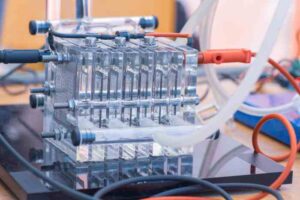
Chemical processes and materials designed to capture and store carbon dioxide emissions are becoming crucial in our fight against climate change. As industries contribute significantly to CO2 emissions, understanding how we can effectively capture and store this gas is vital for our planet’s future. With innovative techniques and materials, we can significantly reduce our carbon footprint and mitigate the adverse effects of climate change.
This discussion will delve into the various chemical processes available for capturing CO2, the materials that enhance these processes, and the innovative storage methods that can make these initiatives successful. By exploring recent technological advancements and real-world applications, we can better understand the potential impact of these strategies on both the environment and the economy.
Introduction to Carbon Dioxide Emissions
Carbon dioxide (CO2) emissions play a crucial role in the ongoing challenge of climate change. As one of the primary greenhouse gases, CO2 contributes significantly to global warming and its associated impacts on the environment. Understanding the importance of capturing and storing these emissions is vital for reducing their adverse effects and progressing towards a sustainable future.Various industries are major contributors to CO2 emissions, including energy production, transportation, and manufacturing.
The burning of fossil fuels for electricity and heat is the largest single source of global CO2 emissions, encompassing coal, oil, and natural gas. Other notable sources include industrial processes such as cement production, steel manufacturing, and chemical production, which release significant amounts of CO2 as a byproduct. Furthermore, the transportation sector, which relies heavily on petroleum-based fuels, also generates considerable emissions from vehicles and airplanes.
Impact of Carbon Dioxide Emissions on Climate Change and the Environment
The impact of carbon dioxide emissions on climate change is profound and multifaceted. Increased concentrations of CO2 in the atmosphere lead to enhanced greenhouse effects, which result in rising global temperatures. This warming has been linked to extreme weather events, melting ice caps, and rising sea levels, posing threats to ecosystems and human societies alike.The environmental consequences of elevated CO2 levels include:
-
Ocean acidification: Absorption of CO2 by oceans leads to decreased pH levels, affecting marine life.
-
Loss of biodiversity: Altered habitats from climate change can result in species extinction and ecosystem disruption.
-
Altered weather patterns: Increased frequency of droughts, floods, and hurricanes disrupt agricultural productivity and water supply.
-
Health risks: Poor air quality from CO2 and associated pollutants can lead to respiratory diseases and other health issues.
The relationship between carbon dioxide emissions and climate change emphasizes the urgency of developing effective strategies for capturing and storing CO2. By addressing these emissions, industries can significantly mitigate their environmental impact and contribute to a more sustainable future.
Overview of Chemical Processes
In the quest to mitigate carbon dioxide emissions, various chemical processes have been developed to effectively capture and store CO2. These processes leverage the unique properties of different materials and reactions to separate carbon dioxide from other gases and convert it into a more manageable form. Understanding these chemical processes is crucial for advancing carbon capture technology and reducing our environmental footprint.The primary chemical processes used in carbon capture include absorption, adsorption, and membrane separation.
Each of these methods plays a critical role in isolating CO2 from industrial emissions and the atmosphere. Their effectiveness largely hinges on the chemical properties of the materials used and the specific reactions they undergo during the capture process.
Absorption
Absorption is a widely used technique in which CO2 is dissolved in a liquid solvent. This process is typically facilitated by amine-based solutions, which react with carbon dioxide to form a stable compound. The reaction can be represented as follows:
CO2 + 2RNH2 → RNH3+ + RNHCOO−
This reaction illustrates how amines effectively “capture” the CO2 molecules. Once absorbed, the solution can be heated to release the CO2, allowing for its collection and subsequent storage or utilization.
Adsorption
Adsorption involves the adherence of gas molecules onto the surface of solid materials. This method utilizes adsorbents like zeolites, activated carbon, and metal-organic frameworks (MOFs). These materials offer high surface areas and are specifically engineered to enhance CO2 capture efficiency. The importance of adsorption lies in its potential for selective capture, where CO2 can be separated from other gases with minimal energy input.
For instance, MOFs can be designed with specific pore sizes that only allow CO2 to pass through, effectively filtering out other gases.
Membrane Separation
Membrane separation technology employs selective barriers to separate CO2 from gas mixtures. Membranes can be composed of polymeric, inorganic, or composite materials, each offering different advantages in terms of selectivity and permeability. This process is advantageous due to its lower energy requirements compared to traditional methods. Membrane technologies can be fine-tuned to target specific gas components, allowing for more efficient CO2 separation.
A practical application of this technology is in natural gas processing, where CO2 is separated from methane before transportation or utilization.
Chemical Reactions for CO2 Conversion
Various chemical reactions facilitate the conversion of CO2 into useful products, thereby not only capturing it but also recycling it into valuable materials. One significant reaction is the reverse water-gas shift reaction, which converts CO2 and hydrogen into carbon monoxide and water:
CO2 + H2 ⇌ CO + H2O
This reaction is crucial in synthetic fuel production, where carbon monoxide can be further processed to create hydrocarbons. Another example is the mineralization of CO2, where it reacts with minerals like olivine to form stable carbonates, effectively locking away CO2 in solid form.Chemical processes that capture and convert CO2 are vital in the broader context of climate change mitigation. By harnessing these technologies, industries can take significant strides toward reducing their carbon footprint and supporting sustainability efforts.
Materials Used in Carbon Capture

In the fight against climate change, selecting the right materials for carbon capture is crucial. These materials are designed to efficiently absorb and store carbon dioxide, thereby reducing the amount of greenhouse gases released into the atmosphere. Different materials vary in effectiveness, costs, and availability, influencing their application in various industries.When it comes to materials designed for CO2 capture, they can generally be categorized into natural and synthetic types.
Natural materials often include minerals and biomaterials that have intrinsic properties allowing them to bind with carbon dioxide. On the other hand, synthetic materials are engineered specifically for enhanced performance and efficiency in capturing CO2.
Comparison of Natural and Synthetic Materials
Understanding the efficiency of different materials in carbon storage is essential for optimizing carbon capture technologies. Natural materials such as zeolites, limestone, and biochar have been historically used in carbon capture due to their abundance and low cost. However, their efficiency can be variable. For instance, zeolites have a high surface area and good adsorption capacity but can be limited in the rate at which they capture CO2.Synthetic materials, like amine-functionalized sorbents and metal-organic frameworks (MOFs), have been developed to offer superior efficiency.
These materials are designed with specific structural characteristics that enhance their ability to bind with CO2.
“Synthetic materials can achieve capture efficiencies exceeding 90%, compared to approximately 30-50% for many natural options.”
Properties of Effective CO2 Capture Materials
Certain properties make materials particularly suitable for capturing carbon dioxide. These include:
High Surface Area
Materials with large surface areas provide more active sites for CO2 adsorption, enhancing capture efficiency.
Chemical Affinity
A strong chemical interaction with CO2 increases the likelihood of capturing the gas.
Thermal Stability
Materials need to withstand varying temperatures without degrading, especially in industrial settings.
Regeneration Capability
The ability to release captured CO2 for storage or utilization without significant loss of performance is vital for the sustainability of capture technologies.In summary, while both natural and synthetic materials play crucial roles in carbon capture, synthetic options often provide enhanced efficiency and performance. Their specific properties are key factors in the successful implementation of carbon capture technologies aimed at mitigating climate change.
Carbon Storage Methods
Successful carbon capture relies heavily on effective storage methods to ensure that the captured carbon dioxide does not re-enter the atmosphere. Various techniques have been developed to safely store this greenhouse gas, minimizing its environmental impact. Understanding these methods is essential for evaluating the long-term viability of carbon capture technologies and their roles in combating climate change.One of the most widely discussed methods for carbon storage is geological storage.
This involves injecting captured carbon dioxide into underground geological formations, where it can be trapped for thousands of years. Geological storage has several advantages, including the vast capacity of underground formations to hold carbon dioxide, which can be safely contained under impermeable rock layers. However, there are also disadvantages, such as the potential for leakage and the need for extensive monitoring to ensure safety.
Geological Storage
Geological storage of carbon dioxide is a mature technology that has been implemented in various projects around the world. The process typically involves selecting suitable sites, drilling wells, and injecting carbon dioxide into deep geological formations. Here’s a closer look at this method’s key aspects:
Types of Geological Formations
The most common types of geological formations used for CO2 storage include depleted oil and gas fields, deep saline aquifers, and unmineable coal seams. Each formation type has unique characteristics that influence its suitability for storage.
Advantages
Capacity
Geological formations can store large volumes of CO2. For instance, it is estimated that the United States alone has the capacity to store approximately 3 trillion metric tons of CO2 in geological formations.
Established Infrastructure
Many oil and gas extraction sites have existing infrastructure that can be repurposed for carbon storage, reducing costs and enhancing efficiency.
Disadvantages
Potential Leakage
There is a risk of CO2 leaking back into the atmosphere if the storage formations are not properly sealed. This requires rigorous site selection and monitoring.
Public Perception
There is often public resistance to underground CO2 storage due to safety concerns and a lack of understanding of the technology.Innovative storage solutions are also being explored to enhance carbon storage effectiveness. Research is ongoing into methods such as mineral carbonation, which involves converting CO2 into stable minerals, and utilizing biochar as a storage medium. These approaches aim to create permanent solutions for carbon storage and integrate with natural processes.
“Innovative storage solutions, such as mineral carbonation, offer promising avenues for permanent carbon dioxide storage.”
In summary, the development and refinement of carbon storage methods are crucial for the success of carbon capture technologies. By addressing both the advantages and disadvantages of geological storage, as well as exploring innovative alternatives, we can create a more sustainable approach to managing carbon dioxide emissions.
Technological Innovations in Carbon Capture
Recent advancements in carbon capture and storage (CCS) technologies are pivotal in our fight against climate change. As the global demand for cleaner energy sources intensifies, innovative solutions to capture carbon dioxide emissions from industrial processes and power generation are becoming increasingly relevant. These technologies are not only crucial for reducing greenhouse gas emissions but also for meeting international climate goals.Innovative methods and materials are being developed to enhance the efficiency of carbon capture processes.
For example, advancements in sorbent materials are allowing for more effective CO2 capture at a lower energy cost. These sorbents can selectively bind CO2 while allowing other gases to pass through, making the capture process more efficient. Additionally, new membrane technologies designed for gas separation are showing promise in reducing the footprint of CCS systems while increasing their effectiveness.
Artificial Intelligence and Data Analytics in Carbon Capture
Artificial intelligence (AI) and data analytics are transforming the landscape of carbon capture technologies. By leveraging large datasets, machine learning algorithms can optimize capture systems, leading to improved performance and decreased operational costs. These intelligent systems analyze real-time data from capture processes to identify inefficiencies and suggest adjustments, enabling operators to run their facilities more effectively.Key applications of AI in this field include:
- Predictive Maintenance: AI systems can forecast equipment failures before they occur, ensuring that the carbon capture units operate at peak efficiency and reducing downtime.
- Process Optimization: Data analytics can enhance decision-making by providing insights into the most effective operating conditions for carbon capture processes, which maximizes CO2 absorption rates.
- Emission Monitoring: AI technologies facilitate continuous monitoring of emissions, allowing for rapid response to any deviations from expected performance.
Future Technologies Enhancing Carbon Storage Capabilities
Looking ahead, several promising technologies are poised to enhance carbon storage capabilities significantly. Research is focusing on innovative approaches to store carbon safely and effectively over long periods. These advancements include:
- Carbon Mineralization: This process involves converting captured CO2 into stable minerals through chemical reactions, allowing for long-term storage that minimizes the risk of leakage.
- Bioenergy with Carbon Capture and Storage (BECCS): This technology merges biomass energy production with carbon capture, creating a negative emissions process that not only captures CO2 but also generates renewable energy.
- Enhanced Oil Recovery (EOR): Utilizing captured CO2 to extract additional oil from depleted reservoirs not only aids in carbon storage but also improves the economic viability of CCS projects.
The integration of these technologies could revolutionize how we approach carbon capture and storage, making it a more viable solution for addressing global emissions.
Economic Considerations
The implementation of carbon capture technologies has significant economic implications that need careful analysis. Understanding these cost considerations is crucial for industries aiming to reduce their environmental impact while maintaining profitability. With various government incentives and policies in place, businesses can find financial support for adopting these technologies, which can ultimately lead to economic benefits not only for the companies but also for the wider community in terms of sustainability and job creation.
Cost Implications of Carbon Capture Technologies
The financial investment required for carbon capture systems can be substantial. However, these costs can vary widely depending on the technology used and the scale of implementation. Key factors influencing costs include:
- Initial capital expenditures: This includes costs related to equipment, infrastructure, and installation. For instance, direct air capture systems can range from $100 to $600 per ton of CO2 captured.
- Operational and maintenance costs: Ongoing expenses such as energy consumption, labor, and material replacement can add significant overhead. Efficient operation can mitigate some of these costs.
- Cost reduction through technological advancements: Innovations in carbon capture methods are continuously emerging, which can lead to lower costs over time. For example, the development of solvent-based capture technologies has shown promise in reducing energy requirements and costs.
Government Incentives and Policies
Various governments have recognized the importance of carbon capture technologies and have introduced policies and incentives to promote their adoption. These can include:
- Tax credits: Programs like the U.S. Section 45Q tax credit offer financial incentives for companies that capture and store carbon dioxide, significantly offsetting costs.
- Grants and subsidies: Financial support for research and development of new carbon capture technologies helps reduce the financial burden on companies and encourages innovation.
- Regulatory frameworks: Clear guidelines and standards for emissions can encourage companies to invest in carbon capture as a way to comply with increasingly stringent regulations.
Economic Benefits of Reducing Carbon Emissions
Investing in carbon capture not only addresses environmental concerns but also presents various economic advantages for industries. Some of these benefits include:
- Enhanced public image: Companies that actively work to reduce carbon emissions can improve their reputation among consumers, leading to increased sales and customer loyalty.
- Access to new markets: As regulations become stricter, industries that prioritize sustainability may gain a competitive edge, allowing them to enter markets that value eco-friendly practices.
- Job creation: The development and implementation of carbon capture technologies can create new job opportunities in engineering, construction, and research, contributing to economic growth.
“Investing in carbon capture technologies not only helps mitigate climate change but can also lead to substantial economic benefits for industries.”
The economic landscape surrounding carbon capture technologies is complex but offers opportunities for businesses willing to adapt and invest. By recognizing the cost implications, leveraging government support, and understanding the economic benefits, industries can position themselves for a sustainable future.
Case Studies and Real-World Applications
The implementation of carbon capture and storage (CCS) technologies has seen various successful projects around the globe, showcasing the potential for these innovative chemical processes to mitigate carbon dioxide emissions effectively. Analyzing these case studies not only highlights their feasibility but also provides insights into the lessons learned and their broader implications for both the environment and local economies.One notable case study is the Petra Nova project in Texas, which is one of the largest post-combustion carbon capture projects globally.
It was developed to capture over 90% of the CO2 produced from a 240-megawatt portion of the W.A. Parish Generating Station. The captured CO2 is then utilized for enhanced oil recovery (EOR) in nearby oil fields. The project’s success demonstrates the potential of integrating CCS with existing energy infrastructure and the economic benefits derived from CO2 utilization.
Lessons Learned from Successful Projects
Several key insights can be drawn from the successful implementation of CCS projects:
Integration with Existing Infrastructure
Projects like Petra Nova have shown that retrofitting existing power plants with carbon capture technology is not only feasible but can also extend the life of these facilities while reducing emissions.
Economic Viability
Utilizing captured CO2 for EOR has provided a financial incentive, making many CCS projects more economically attractive. This dual approach supports both energy production and carbon mitigation.
Regulatory Support
Strong government policies and incentives have played a crucial role in the success of these projects. For example, financial incentives in the U.S. have encouraged investment in CCS technologies.
Impact on Local Economies and Environments
The implementation of carbon capture projects has notable effects on local economies and environments:
Job Creation
Projects such as the Boundary Dam in Canada have contributed to job creation in both the construction and operational phases, positively impacting the local workforce.
Environmental Benefits
By capturing significant amounts of CO2, these projects help mitigate climate change impacts, improving air quality and reducing greenhouse gas concentrations in the atmosphere.
Community Engagement
Successful projects often involve local communities in planning and operational phases, fostering a sense of ownership and collaboration, which can enhance the sustainability of the initiatives.In conclusion, through these case studies, it’s evident that carbon capture and storage projects are not only technologically viable but also beneficial for local economies and the environment. The lessons learned from these implementations provide a roadmap for future projects aimed at reducing carbon emissions globally.
Challenges and Limitations
The journey towards effective carbon capture and storage (CCS) faces numerous challenges that impede its widespread adoption. While promising technologies exist, significant hurdles persist, ranging from technical limitations to public perception. Understanding these obstacles is crucial for advancing CCS initiatives and mitigating climate change impacts.
Obstacles in the Adoption of Carbon Capture Technologies
Several factors hinder the broader implementation of carbon capture technologies, including the following:
- High Capital Costs: The initial investment required for CCS infrastructure can be prohibitively expensive. Facilities must often integrate complex systems that require substantial funding.
- Lack of Incentives: Without strong governmental policies or economic incentives, industries may be reluctant to invest in CCS technologies. Many businesses prioritize short-term profits over long-term sustainability.
- Infrastructure Limitations: Existing infrastructure may not support the transportation and storage of captured CO2. Upgrading pipelines or developing new transportation networks adds to overall costs.
Limitations of Current Materials and Processes
Current materials and chemical processes used in carbon capture exhibit several limitations that affect their efficiency:
- Limited Absorption Capacity: Many absorbent materials have a finite capability to capture CO2, leading to saturation after a certain volume of emissions.
- Energy Requirements: Regenerating capture materials often demands significant energy input, which can negate some environmental benefits by increasing emissions elsewhere.
- Degradation Over Time: Some capture materials degrade with repeated use, leading to increased operational costs and reduced effectiveness.
Public Perception and Regulatory Challenges
Public perception and regulatory frameworks play critical roles in the success of carbon storage efforts:
- Misinformation: Public understanding of carbon capture and storage is often clouded by misinformation, leading to skepticism regarding safety and effectiveness.
- Regulatory Uncertainty: Inconsistent regulations across regions can create confusion for companies looking to invest in CCS technologies, hindering their deployment.
- Environmental Concerns: The potential for negative environmental impacts from CO2 storage raises concerns for communities and stakeholders, often resulting in opposition to local projects.
Addressing these challenges requires collaboration between governments, businesses, and the public to build trust and ensure the responsible development of carbon capture technologies.
Future Outlook for Carbon Capture Technologies
As the urgency to combat climate change intensifies, the future of carbon capture technologies appears promising yet challenging. Advancements in chemical processes aimed at capturing CO2 emissions are crucial for mitigating the impacts of global warming. The landscape of carbon capture is evolving through innovations in materials, methods, and international collaboration that collectively aim to create a sustainable future.
Potential Developments in Chemical Processes
Innovations in chemical processes for carbon capture are anticipated to enhance efficiency and reduce costs. Noteworthy advancements include the development of new sorbents and solvents that can capture carbon dioxide more effectively. These materials will not only increase the capacity for CO2 absorption but will also enable faster regeneration, making the capture process more energy-efficient. Recent research has focused on:
- Novel amine-based solvents that exhibit higher stability and lower regeneration energy requirements.
- Metal-organic frameworks (MOFs) designed to selectively capture CO2 from flue gas streams.
- Electrochemical methods that utilize renewable energy to drive CO2 capture and conversion processes.
These developments are expected to significantly lower the economic barriers associated with large-scale carbon capture implementations.
International Cooperation in Carbon Capture Technologies
The advancement of carbon capture technologies relies heavily on international collaboration. Countries are recognizing that climate change is a global issue that transcends borders, making cooperative approaches essential for sharing knowledge, resources, and financing. International frameworks and partnerships, such as the Carbon Sequestration Leadership Forum, aim to unify efforts to develop and deploy carbon capture technologies.Key aspects of this cooperation include:
- Joint research initiatives to share technological breakthroughs and best practices.
- Collaborative funding programs to support pilot projects in developing nations, promoting global equity in climate action.
- Policy alignment among nations regarding carbon pricing and emissions targets, which can stimulate investments in carbon capture.
This collective effort is vital for accelerating the pace of innovation and scaling successful technologies.
Predictions for the Future Landscape of Carbon Capture and Storage Strategies
Looking forward, the integration of carbon capture and storage (CCS) into energy systems is expected to become a cornerstone of climate strategy. By 2030, many experts predict that CCS will play a critical role in achieving net-zero emissions goals set by various countries. This is supported by projections indicating that, without significant CCS deployment, global temperature rise will likely exceed critical thresholds.Real-life examples of emerging trends include:
- The expansion of commercial CCS facilities, such as the Quest project in Canada, which captures and stores over one million tons of CO2 annually.
- Innovations in direct air capture technologies, which are seeing increased investment and attention, aiming to remove CO2 directly from the atmosphere.
- The development of carbon utilization technologies that convert captured CO2 into useful products, like fuels and building materials, thus creating a circular economy.
Such advancements not only represent a pathway to mitigating climate change but also herald a shift towards a sustainable, low-carbon future.
Closing Notes
In summary, the exploration of chemical processes and materials for carbon dioxide capture and storage reveals a promising pathway towards a more sustainable future. With ongoing innovations and a commitment to overcoming challenges, these technologies hold the key to significantly reducing greenhouse gas emissions. As we move forward, continual investment and interest in these methods will be essential to ensure a healthier planet for generations to come.
Commonly Asked Questions
What are the main sources of carbon dioxide emissions?
The primary sources include fossil fuel combustion, industrial processes, and deforestation.
How effective are natural materials compared to synthetic ones for CO2 capture?
While natural materials can be effective, synthetic materials often provide higher efficiency and tailored properties for specific carbon capture needs.
What are some innovative storage methods for captured CO2?
Innovative methods include mineralization, where CO2 is converted into stable minerals, and utilizing CO2 in enhanced oil recovery.
What role does artificial intelligence play in carbon capture?
AI optimizes capture processes by analyzing data to improve efficiency and predict maintenance needs.
Are there any economic benefits of carbon capture technologies?
Yes, carbon capture technologies can lead to job creation, reduce compliance costs for industries, and promote green technology investments.