Installing photovoltaic systems to harness solar energy for buildings, is not just a trend but a shift towards sustainable living. As we seek to reduce our reliance on fossil fuels, solar energy stands out as a crucial renewable resource that can power our homes and businesses efficiently. With advances in technology and increasing awareness of climate change, the adoption of photovoltaic systems has become more accessible and impactful.
These systems convert sunlight into electricity, making them a key player in the transition to greener energy. Understanding the various types of photovoltaic systems, their benefits, and the installation process can empower building owners to make informed decisions that contribute to both economic savings and environmental stewardship.
Introduction to Photovoltaic Systems
Photovoltaic (PV) systems are an innovative technology designed to convert sunlight directly into electricity using semiconductor materials. This process is facilitated through the photovoltaic effect, where light photons excite electrons in the semiconductor, generating an electric current. This energy can be harnessed and utilized for various applications, particularly in buildings, where it can significantly reduce energy costs and reliance on fossil fuels.The importance of renewable energy sources, particularly solar energy, cannot be overstated in today’s energy landscape.
As concerns about climate change and energy sustainability grow, buildings equipped with photovoltaic systems contribute to reducing carbon footprints and promoting energy independence. By utilizing solar energy, buildings not only benefit from lower utility bills but also play a crucial role in advancing global efforts toward clean energy.
Historical Development of Photovoltaic Technology
The journey of photovoltaic technology dates back to the 19th century when French physicist Alexandre Edmond Becquerel discovered the photovoltaic effect in 1839. This pivotal moment set the stage for future developments in solar energy. In the subsequent years, various researchers, including Albert Einstein, contributed to understanding the fundamental principles of this phenomenon.The first practical photovoltaic cell was created in 1954 by Bell Labs, achieving an impressive 6% efficiency—an important milestone in solar technology.
Over the decades, advancements in materials and production processes have led to increased efficiencies and cost reductions. By the late 20th century, the introduction of silicon-based solar cells further propelled the PV industry. Today, modern PV systems boast efficiencies of over 20%, thanks to innovations in technology and manufacturing.The evolution of photovoltaic systems has been driven by a combination of scientific research, governmental policies, and market demand for cleaner energy sources.
As technology continues to advance, the integration of photovoltaic systems in buildings is becoming more prevalent, fostering a sustainable future.
Benefits of Installing Photovoltaic Systems
Installing photovoltaic (PV) systems in buildings offers a multitude of advantages that extend beyond just energy generation. By harnessing solar energy, property owners can significantly contribute to environmental sustainability while also enjoying various economic and social benefits. Understanding these advantages is essential for anyone considering a PV system installation, as it highlights the broader impact of transitioning to renewable energy sources.
Environmental Benefits
The shift to solar energy through photovoltaic systems plays a crucial role in environmental conservation. One of the most significant advantages is the reduction of greenhouse gas emissions, particularly carbon dioxide. By utilizing solar power, buildings can minimize their reliance on fossil fuels, which are primary contributors to climate change.
- A study from the National Renewable Energy Laboratory indicates that a typical residential solar installation can offset approximately 100,000 pounds of carbon dioxide over its lifetime, equivalent to the emissions produced by a car driven for over 100,000 miles.
- Solar energy systems generate electricity without air pollutants, thus improving local air quality and contributing to public health.
- Photovoltaic systems promote biodiversity by reducing habitat destruction associated with traditional energy sources, as solar farms can coexist with agricultural land or other natural settings.
Economic Advantages
Property owners who install photovoltaic systems can reap significant economic benefits. These advantages often make solar investment not just an environmentally responsible choice, but also a financially savvy one.
- Energy Savings: Homeowners can experience substantial reductions in their monthly electricity bills, with some even achieving zero electricity costs, depending on their system size and energy consumption.
- Tax Incentives: Federal and state governments offer various financial incentives for solar installations, such as the Investment Tax Credit (ITC) which allows homeowners to deduct a percentage of the installation costs from their federal taxes.
- Increased Property Value: Studies suggest that homes equipped with solar energy systems are more attractive to buyers, potentially leading to higher resale values.
Social Impacts
The adoption of photovoltaic systems also fosters positive social outcomes. The expansion of renewable energy technologies has significant implications for job creation and energy independence.
- Job Creation: The solar industry has emerged as a leading source of employment, with jobs ranging from manufacturing and installation to sales and maintenance. According to the Solar Foundation’s National Solar Jobs Census, the solar sector employed over 250,000 workers in the U.S. as of 2020.
- Energy Independence: By harnessing solar energy, communities can reduce their dependence on imported fossil fuels, enhancing national security and resilience against energy price fluctuations.
- Community Engagement: Solar projects often involve local stakeholders, encouraging community development and fostering a culture of sustainability.
Types of Photovoltaic Systems
Photovoltaic systems are essential for harnessing solar energy effectively, and they come in various types tailored to meet the specific needs of users. Understanding these types helps in selecting the right system for either residential or commercial buildings.Different types of photovoltaic systems serve different purposes, and it’s essential to choose the right one based on energy needs, location, and budget.
The three primary types of photovoltaic systems are grid-tied, off-grid, and hybrid systems, each with unique features and applications.
Grid-Tied Systems
Grid-tied systems are connected directly to the utility grid. They allow homeowners and businesses to use solar energy while remaining connected to the power grid for backup energy.
Applications
Commonly used in both residential and commercial buildings where a reliable power source from the grid is available. This type is ideal for areas with net metering policies, allowing users to sell excess energy back to the grid.
Advantages
Lower installation costs due to fewer components.
Uses net metering to receive credits for excess energy produced.
Simplifies the overall system with no need for batteries. –
Disadvantages
No power during grid outages unless paired with battery backup.
Dependent on the grid; energy production can be affected by grid issues.
Off-Grid Systems
Off-grid systems operate independently of the utility grid, making them ideal for remote locations where connection to the grid is impractical or too expensive.
Applications
Primarily used in rural areas, vacation homes, or anywhere grid access is limited. They cater to users looking for complete energy independence.
Advantages
Complete autonomy from the grid and energy bills.
Often combined with battery storage for reliable energy supply.
Can be custom-designed to meet specific energy needs. –
Disadvantages
Higher initial setup costs due to batteries and additional components.
Requires more maintenance and management of energy resources.
Limited to energy production capacity of the installed system.
Hybrid Systems
Hybrid systems combine the features of both grid-tied and off-grid systems. They can utilize both solar energy and utility power, offering flexibility and reliability.
Applications
Suitable for residential homes and commercial buildings looking for a backup power source during outages, as well as for those wanting to maximize solar use.
Advantages
Provides power during outages, ensuring uninterrupted supply.
Can optimize energy consumption by switching between solar and grid power.
Offers a balance of independence and reliability. –
Disadvantages
More complex systems requiring careful design and installation.
Higher costs due to the integration of multiple components.
Maintenance needs can be higher depending on the complexity of the setup.
Comparison Table of Photovoltaic Systems
To better understand the differences between these systems, refer to the table below, which highlights their features, advantages, and disadvantages.
| Type | Advantages | Disadvantages | Best Applications |
|---|---|---|---|
| Grid-Tied | Lower installation costs, net metering benefits, simplified system. | No power during outages, grid dependency. | Residential and commercial buildings with reliable grid access. |
| Off-Grid | Energy independence, custom design, autonomy from utility. | Higher setup costs, more maintenance required. | Remote locations or areas with limited grid access. |
| Hybrid | Backup power during outages, optimal energy use, flexibility. | Complex installation, higher costs. | Homes and businesses needing reliability and energy management. |
Site Assessment for Installation
Assessing a building’s site for photovoltaic system installation is a crucial step in maximizing solar energy harnessing. The evaluation process involves understanding various factors that can impact the system’s efficiency, including the orientation of the roof, potential shading from nearby objects, and geographical location. A thorough site assessment ensures that the photovoltaic system is positioned optimally, leading to improved energy production and reduced costs.When evaluating a site for photovoltaic system installation, several key factors must be considered.
These factors not only influence the performance of the solar panels but also their long-term sustainability. Careful measurements and assessments can lead to more precise installation strategies and energy output predictions.
Factors to Consider for Site Assessment
Understanding the aspects that affect solar energy capture is essential. Here are some critical factors to evaluate:
- Roof Orientation: Ideally, a roof should face south (in the Northern Hemisphere) to maximize solar exposure. East and west orientations can also be effective, but will yield less energy throughout the day.
- Shading: Identify any structures, trees, or other obstructions that may cast shade on the solar panels, particularly during peak sunlight hours. Even partial shading can significantly reduce the system’s efficiency.
- Roof Pitch: The angle of the roof can affect the amount of sunlight the panels receive. A pitch between 30° to 45° is typically optimal for solar installations.
- Building Materials: The type of roofing material can influence installation options and panel mounting methods. Ensure that the roof can support the weight and installation of solar panels.
- Local Climate: Understanding local weather patterns, such as average sunlight hours, rainfall, and snow loads, is crucial for assessing long-term solar viability.
To streamline the site assessment process, consider this checklist of necessary measurements and evaluations:
- Measure the roof’s orientation and pitch.
- Identify and measure potential shading objects and their heights.
- Evaluate the integrity and load-bearing capacity of the roof structure.
- Document local weather patterns and average solar radiation levels.
- Check local zoning laws and regulations regarding solar installations.
Conducting a Solar Potential Analysis
Performing a solar potential analysis on a building is a systematic approach to determine how much solar energy can be harnessed. This analysis incorporates several steps:
1. Data Collection
Begin by gathering information on the building’s specific location, including latitude, longitude, and local weather data.
2. Shading Analysis
Use tools such as a solar pathfinder or solar analysis software to determine the extent and impact of shading on the roof throughout the year.
3. Solar Irradiance Assessment
Analyze the average solar irradiance levels in the area using solar maps or databases like the National Renewable Energy Laboratory (NREL) resources. This data helps predict how much sunlight will hit the panels.
4. Energy Needs Evaluation
Assess the building’s energy consumption patterns to determine the necessary solar output. This includes reviewing past utility bills and identifying peak usage times.
5. Installation Simulation
Utilize computer modeling software to simulate the potential energy production of different panel configurations based on the roof’s characteristics and shading analysis.By following these steps, one can gauge the feasibility of installing a photovoltaic system and predict its performance accurately, allowing for informed decision-making and strategic planning for solar energy installation.
Installation Process
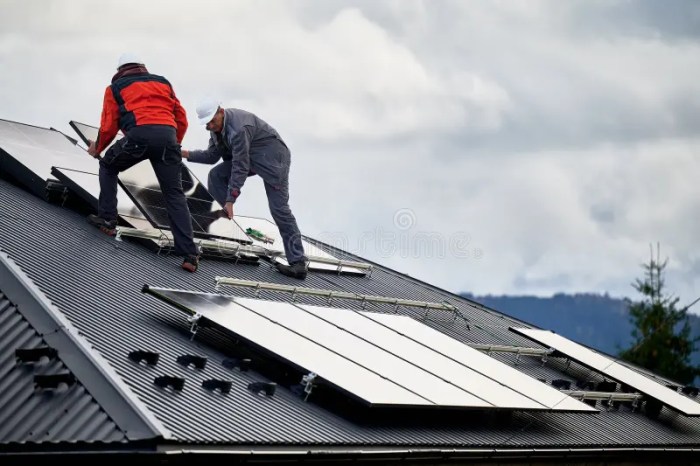
Installing a photovoltaic (PV) system on a building is a rewarding endeavor that involves careful planning and execution. It’s essential to understand the step-by-step procedures to ensure a successful installation that maximizes solar energy capture and efficiency. The process covers everything from pre-installation preparations to the final connections and testing of the system.The installation of a photovoltaic system can be broken down into several key steps.
Each step requires specific tools and materials, as well as adherence to safety protocols to ensure a smooth and secure installation. Below is a comprehensive guide to the installation process.
Step-by-Step Installation Procedures
The installation of a photovoltaic system typically follows these steps:
- Preparation and Planning: Before beginning the installation, review the site assessment, and confirm all permits and regulations are in place. Ensure that the installation plan aligns with local building codes.
- Gathering Tools and Materials: Essential tools and materials include solar panels, mounting systems, inverters, wiring, connectors, and safety gear. Ensure all components are compatible with your specific PV system design.
- Mounting System Installation: Secure the mounting brackets to the roof or ground structure. This requires tools like drills, wrenches, and levelers to ensure the mounts are properly aligned and stable.
- Panel Installation: Once the mounting system is secure, attach the solar panels to the mounts. Use appropriate fasteners, ensuring they are tight and secure to withstand weather conditions.
- Electrical Connections: Connect the solar panels to the inverter and the inverter to the electrical system of the building. This phase involves handling electrical components and requires proper safety measures.
- System Testing: After all connections are made, conduct a thorough testing of the system to ensure it operates correctly before finalizing the installation. Check for any loose connections and ensure the inverter displays the correct readings.
Tools and Materials Required
Using the right tools and materials is crucial for an effective installation. Here’s a list of some essential items needed:
- Tools:
- Drills with appropriate bits for mounting
- Wrenches and socket sets for securing bolts
- Levelers for alignment
- Wire strippers and crimpers for electrical connections
- Safety gear including gloves, goggles, and harnesses
- Materials:
- Solar panels (monocrystalline, polycrystalline, or thin-film)
- Mounting systems (roof or ground mounts)
- Inverters (string inverters or microinverters)
- Electrical wiring and connectors
- Safety equipment such as scaffolding or ladders
Safety Tips during Installation
Safety is paramount during the installation of photovoltaic systems. Here are some important safety tips:
“Always prioritize safety and follow best practices to prevent accidents during installation.”
To ensure a safe installation environment, consider these recommendations:
- Wear proper personal protective equipment (PPE), including hard hats and non-slip footwear.
- Use fall protection equipment when working on roofs or elevated areas.
- Ensure all electrical connections are made with the power turned off to prevent electrical shock.
- Have a first aid kit on hand, and ensure all team members are aware of emergency procedures.
- Keep the work area clear of debris and obstacles to prevent tripping hazards.
Maintenance and Troubleshooting
Keeping your photovoltaic (PV) system running efficiently requires regular maintenance and an understanding of potential issues that may arise. Just like any other technology, photovoltaic systems need care and attention to operate at their best. This section focuses on routine maintenance tasks, common problems, and a troubleshooting guide for building owners to ensure optimal performance from their solar investments.
Routine Maintenance Tasks
To maximize the lifespan and efficiency of your photovoltaic system, routine maintenance tasks should be performed regularly. These tasks help prevent performance degradation and ensure your system is operating at peak efficiency.
- Regular Cleaning: Dust, debris, and bird droppings can accumulate on the panels, blocking sunlight. Clean the panels using water and a soft brush or hire a professional cleaning service.
- Visual Inspections: Regularly inspect the panels for any physical damage such as cracks or discoloration. Check for any loose or corroded connections in the wiring.
- Monitoring Performance: Use a monitoring system to keep track of energy production. Sudden drops in performance can indicate issues that need attention.
- Inverter Maintenance: Ensure that the inverter is functioning correctly, as it converts DC electricity to AC electricity. Check for error codes and ensure that the cooling fans are operational.
- Professional Check-ups: Schedule annual inspections with a qualified technician to assess the entire system’s health and address any potential issues.
Common Issues and Solutions
Certain issues may arise after the installation of a photovoltaic system. Identifying these problems early and knowing how to address them can save time and money.
- Decreased Energy Production: This could be due to shading, dirt, or system malfunctions. Check for shading from trees or buildings, clean the panels, and inspect the inverter for errors.
- Inverter Failure: If the inverter shows an error light, this may indicate a malfunction. Resetting the inverter or consulting the manufacturer’s manual can often resolve the issue.
- Connection Issues: Loose or corroded connections can lead to energy loss. Regularly inspect connections and tighten them if necessary.
- Battery Issues (for Off-Grid Systems): Batteries may fail to charge properly due to age or malfunction. Monitor the battery health regularly and replace them as needed.
Troubleshooting Guide
A straightforward troubleshooting guide can help building owners diagnose and resolve issues with their photovoltaic systems. Regularly following this guide can prevent minor problems from escalating.
- Step 1 – Check the Monitoring System: Assess the data from the monitoring system to identify any significant drops in energy production.
- Step 2 – Inspect the Panels: Look for physical damage, dirt accumulation, or shading that may hinder performance.
- Step 3 – Verify Electrical Connections: Inspect all wiring and connections to ensure they are secure and free from corrosion.
- Step 4 – Examine the Inverter: Look for error codes or warning lights on the inverter. Consult the manual for troubleshooting specific errors.
- Step 5 – Seek Professional Help: If the problem persists after performing these checks, contact a qualified solar technician for a comprehensive evaluation.
“Regular maintenance and prompt troubleshooting are essential for maximizing the efficiency and lifespan of your photovoltaic system.”
Policy and Regulations
The installation of photovoltaic systems is heavily influenced by a range of laws and regulations that vary regionally. Understanding these policies is essential for building owners who seek to harness solar energy effectively. Regulations not only dictate the technical standards for installations but also the financial incentives available to encourage the adoption of solar technologies.
Current Laws and Regulations
Different regions have established specific legal frameworks governing the installation of photovoltaic systems. These laws typically cover aspects such as permit requirements, grid connection standards, and safety codes. For instance, in the United States, regulations can differ significantly between states, with some states having more stringent requirements for solar installations than others. In California, for example, building codes mandate that all new homes must include solar panels, reflecting the state’s aggressive push towards renewable energy.
Government Incentives and Programs
Government incentives play a crucial role in promoting solar energy adoption. These incentives can take various forms, including tax credits, rebates, and grants that significantly reduce the cost of installation. A notable example is the Federal Investment Tax Credit (ITC) in the U.S., which allows homeowners to deduct a substantial percentage of their solar installation costs from their federal taxes.
Moreover, many states offer additional financial incentives and streamlined permitting processes, making it easier for building owners to transition to solar energy.
Potential Future Developments
The landscape of solar energy regulations is continuously evolving, which could have significant implications for building owners. Anticipated developments may include stricter emissions regulations that further encourage the adoption of renewable energy technologies. Additionally, as technology improves, regulations may adapt to incorporate new solar innovations, such as building-integrated photovoltaics (BIPV). For instance, countries like Germany are constantly updating their policies to reflect advancements in solar technology and changing market conditions, which could serve as a model for other regions.
“Government incentives not only make solar more affordable but also stimulate local economies and create jobs in the renewable energy sector.”
Case Studies and Success Stories
The installation of photovoltaic systems has significantly transformed the energy landscape in various sectors. By examining successful installations across different building types, we can glean valuable insights and lessons that serve as a guide for future projects. These case studies illustrate not only the potential of solar energy but also the practical benefits realized by building owners and occupants alike.
One noteworthy success story is the implementation of a photovoltaic system at the San Francisco International Airport (SFO). This project, featuring a 5-megawatt solar array, has become a benchmark for airport sustainability efforts. SFO’s installation successfully offsets approximately 25% of the airport’s energy needs, significantly reducing operational costs and carbon emissions. The project was funded partially through state incentives and has showcased how large infrastructures can embrace renewable energy solutions.
Metrics for Evaluating Success of Photovoltaic Installations
Understanding how to assess the effectiveness of photovoltaic systems is crucial for validating their performance over time. Key metrics are often used to measure energy production and cost savings. Here are some of the most impactful indicators:
- Energy Production: Measured in kilowatt-hours (kWh), this metric indicates how much energy the system generates. For instance, a home in Arizona with a 6 kW system reported an annual production of over 10,000 kWh, supplying nearly 90% of the household’s electricity needs.
- Return on Investment (ROI): Evaluates the financial return from the installation compared to the initial costs. A commercial building in New York City achieved an ROI of 150% over five years, demonstrating the long-term financial benefits of solar energy.
- Payback Period: Time required for the system to pay for itself through energy savings. A case in Texas highlighted a residential solar installation that had a payback period of just 4 years, thanks to state tax incentives and net metering.
- Carbon Offset: This metric measures the reduction in CO2 emissions. A prominent installation at a shopping center in California reported offsetting over 200 tons of CO2 annually, making a significant environmental impact.
The lessons learned from these case studies not only emphasize the financial and environmental benefits of solar installations but also highlight the importance of careful planning, site assessment, and understanding the local regulatory landscape. Each successful project serves as a template that can inspire and inform future photovoltaic installations, paving the way for greater adoption of solar technology across various sectors.
Last Point
In summary, installing photovoltaic systems is a forward-thinking choice that not only benefits individual property owners through energy savings and independence but also contributes to a healthier planet. By embracing this technology, we can all play a part in harnessing the sun’s power, creating jobs, and promoting sustainable living for future generations. Let’s take action now to brighten our energy future!
FAQ Compilation
What is the lifespan of a photovoltaic system?
Most photovoltaic systems last between 25 to 30 years, with manufacturers often providing warranties for that duration.
Are there any maintenance requirements for photovoltaic systems?
Routine maintenance includes cleaning the panels, checking connections, and monitoring system performance, usually requiring minimal effort.
Can photovoltaic systems work during cloudy days?
Yes, they can still generate electricity on cloudy days, though at reduced efficiency compared to sunny conditions.
How do I determine the right size of photovoltaic system for my building?
The system size depends on your energy needs, roof space, and local solar potential. Consulting with a professional can help you find the right fit.
What financial incentives are available for installing photovoltaic systems?
Many regions offer tax credits, rebates, and financing options to help offset the initial costs of installation. It’s best to check with local authorities for specific programs.