Hydroponic Farming is changing the way we think about agriculture, allowing plants to thrive without soil through nutrient-rich water solutions. This innovative approach not only maximizes space but also uses water more efficiently, making it a game-changer for both urban and rural farming.
From its historical roots to modern advancements, hydroponics offers numerous benefits over traditional farming. As we dive into this fascinating topic, get ready to explore various hydroponic systems, essential components, and effective management techniques that will inspire you to consider this sustainable farming method.
Introduction to Hydroponic Farming
Hydroponic farming is an innovative agricultural practice that involves growing plants in a nutrient-rich water solution, eliminating the need for soil. This method has gained significant traction in recent years due to its efficiency, sustainability, and ability to produce higher yields in smaller spaces, making it a vital component of modern agriculture.The concept of hydroponics dates back to ancient civilizations, with the Hanging Gardens of Babylon often cited as one of the earliest examples.
However, the scientific principles behind hydroponic systems began to evolve in the 20th century. Pioneers like Dr. William Frederick Gericke in the 1930s introduced hydroponics to the agricultural community, showcasing the potential of soilless cultivation. Over the decades, advancements in technology and a growing awareness of food security issues have led to the development of sophisticated hydroponic systems that can be implemented on various scales, from home setups to large commercial operations.
Benefits of Hydroponic Farming
Hydroponic farming presents numerous advantages over traditional soil-based agriculture that make it an appealing option for many growers. Here are some key benefits:
- Space Efficiency: Hydroponic systems can be set up in urban environments or small spaces, allowing for vertical farming and maximizing crop output per square foot.
- Water Conservation: Hydroponics uses up to 90% less water compared to conventional farming methods, as the water in hydroponic systems is recirculated and reused.
- Faster Growth Rates: Plants grown hydroponically can grow significantly faster due to optimal nutrient delivery and environmental control, leading to quicker harvest cycles.
- Pest and Disease Management: The controlled environment of hydroponic systems reduces the risk of soil-borne diseases and pests, leading to healthier plants and lower reliance on chemical pesticides.
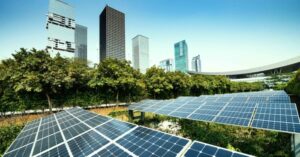
- Environmental Sustainability: Hydroponics can be integrated with renewable energy sources, reducing the overall carbon footprint associated with food production.
“Hydroponic systems can produce crops year-round, regardless of external weather conditions, ensuring a consistent food supply.”
Real-life examples of successful hydroponic farms illustrate these benefits. For instance, urban farms like Brooklyn Grange in New York City utilize rooftop spaces to grow fresh produce, demonstrating how hydroponics can effectively contribute to local food systems while addressing space limitations in densely populated areas. Additionally, companies like Lettuce Grow have developed home hydroponic systems that empower individuals to grow their own food sustainably, further emphasizing the importance of hydroponics in modern agriculture.
Types of Hydroponic Systems
Hydroponics is an innovative method of growing plants without soil, using nutrient-rich water solutions. There are several hydroponic systems, each with its unique mechanics, benefits, and drawbacks. Understanding these systems helps you select the best method for your gardening goals, available resources, and the types of plants you want to grow. Here, we will explore the most common types of hydroponic systems, detailing their operation, advantages, and disadvantages.
Deep Water Culture
Deep Water Culture (DWC) is one of the simplest and most cost-effective hydroponic systems. In DWC systems, plants are suspended in a nutrient-rich water solution, with their roots submerged in the water while the upper part of the plant remains above the liquid. Air stones or diffusers are often used to provide oxygen to the water, ensuring that the roots get the necessary air for healthy plant growth.
Nutrient Film Technique
The Nutrient Film Technique (NFT) operates on a slightly different principle. In NFT systems, a thin film of nutrient solution constantly flows over the roots of the plants. This system relies on gravity and a pump to circulate the liquid, providing the plants with both nutrients and oxygen. NFT is best suited for plants with a shorter growth cycle and smaller root systems.
Aeroponics
Aeroponics takes hydroponics to the next level by growing plants in a mist environment. In this system, plant roots are suspended in air and are periodically misted with a nutrient-rich solution. This method maximizes oxygen exposure to the roots and minimizes water usage, making it an efficient choice for growers looking to achieve rapid plant growth.
Comparison of Hydroponic Systems
It’s essential to weigh the pros and cons of each hydroponic system before making a decision. Below is a comparison table that highlights the advantages and disadvantages of DWC, NFT, and Aeroponics in terms of cost, efficiency, and plant types suited for each.
| Hydroponic System | Advantages | Disadvantages | Cost | Efficiency | Best Plant Types |
|---|---|---|---|---|---|
| Deep Water Culture | Simplicity, low cost, good for beginners | Requires oxygenation, risk of root rot | Low | Moderate | Leafy greens, herbs |
| Nutrient Film Technique | Efficient nutrient use, good oxygen exposure | Needs constant monitoring, risk of pump failure | Moderate | High | Strawberries, lettuce |
| Aeroponics | Maximized oxygen exposure, minimal water usage | High initial setup cost, requires precise control | High | Very high | Herbs, vegetables, flowers |
Choosing the Right Hydroponic System
Selecting the appropriate hydroponic system hinges on several factors, including available space, budget, and specific plant types you wish to cultivate. It’s crucial to consider the following points when making your decision:
Budget
Determine your financial investment limit for initial setup and ongoing maintenance costs.
Space
Assess the area you have available for your hydroponic system, as some systems (like aeroponics) may require more vertical space than others.
Plant Types
Identify the specific plants you want to grow, as some systems are better suited for certain types of plants compared to others.
Level of Experience
If you’re a beginner, starting with a simpler system like DWC may be more manageable compared to the complexities of NFT or aeroponics.
By considering these factors, you can effectively choose a hydroponic system that aligns with your gardening aspirations and resource availability.
Essential Components of Hydroponic Farming
Setting up a hydroponic farm requires careful consideration of various essential components that directly influence plant health and yield. Understanding these elements is crucial for anyone looking to succeed in hydroponic farming, as they form the foundation for creating an optimal growing environment.The primary components that contribute to the success of hydroponic systems include nutrient solutions, water quality, and light sources.
Each of these elements plays a vital role in sustaining plant growth and ensuring that crops thrive in a soilless environment.
Nutrient Solutions
Nutrient solutions provide plants with the essential minerals and elements necessary for growth. These solutions are typically water-based and contain a mix of macronutrients and micronutrients. Key ingredients include:
- Macronutrients: These are primary nutrients like nitrogen (N), phosphorus (P), and potassium (K), which are crucial for plant development.
- Micronutrients: Elements such as iron (Fe), manganese (Mn), and zinc (Zn) are required in smaller amounts but are equally important for health and growth.
- pH Level: Maintaining a balanced pH (usually between 5.5 to 6.5) is essential for nutrient absorption.
Regularly test and adjust the nutrient solution to ensure optimal availability of nutrients.
Water Quality
Water quality is critical in hydroponic systems, as plants rely on it not only for hydration but also for nutrient absorption. Here are the main aspects to consider:
- Water Source: Use clean, filtered water free from contaminants. Tap water may require testing for chlorine and heavy metals.
- Electrical Conductivity (EC): Monitor EC levels to ensure that nutrient concentration is appropriate for plant uptake.
- Temperature: Keep water temperature between 18°C to 22°C (64°F to 72°F) to promote optimal root health.
Regular water quality tests help prevent nutrient lockout and ensure healthy plant growth.
Light Sources
Effective lighting is necessary for photosynthesis, especially in indoor hydroponic setups. The primary types of light sources include:
- LED Grow Lights: Energy-efficient and customizable in terms of spectrum, making them ideal for various plant types.
- Fluorescent Lights: Affordable and suitable for seedling growth, though less efficient for mature plants.
- High-Intensity Discharge (HID) Lights: Powerful lighting suitable for larger systems, but they also require more energy and cooling.
Ensure that plants receive 12 to 18 hours of light daily, depending on their growth stage.
Maintenance and Monitoring
Regular maintenance and monitoring of these components are vital for the overall health of the hydroponic system. Here’s a guide to keeping everything in check:
- Check nutrient solution levels weekly and replenish as necessary.
- Test pH and EC every few days to maintain optimal ranges.
- Inspect water quality monthly to ensure no contaminants affect plant health.
- Assess light intensity and duration regularly; adjust as plants grow.
- Keep a log of all measurements and adjustments to track changes over time.
Nutrient Management in Hydroponics
Nutrient management is a crucial aspect of hydroponic farming that directly influences plant health and crop yields. In hydroponics, plants receive their nutrients through a nutrient solution rather than soil, making it essential to provide a balanced mix of essential elements that promote growth. Understanding how to formulate and manage these nutrient solutions can greatly enhance the success of your hydroponic system.The formulation of nutrient solutions involves combining various water-soluble fertilizers that supply essential macro and micronutrients.
These solutions are designed to meet the specific requirements of the plants being grown, promoting optimal growth and development.
Creation and Maintenance of Balanced Nutrient Solutions
Creating and maintaining a balanced nutrient solution is fundamental for the health of hydroponically grown plants. The key components of a nutrient solution typically include macronutrients such as nitrogen (N), phosphorus (P), and potassium (K), alongside micronutrients like iron (Fe), manganese (Mn), zinc (Zn), and copper (Cu). To formulate a nutrient solution tailored to specific plant needs, follow these steps:
1. Determine Plant Requirements
Different plants have varying nutrient needs. Research the specific requirements for the plants you are growing. For instance, leafy greens like lettuce require higher nitrogen levels, while fruiting plants like tomatoes benefit from increased potassium.
2. Choose Quality Fertilizers
Use high-quality, water-soluble fertilizers that are specifically formulated for hydroponics. Look for fertilizers that indicate their N-P-K ratio on the label.
3. Mix the Solution
Follow the manufacturer’s instructions for mixing the fertilizers with water. Typically, a concentration of 1-3 grams per liter of water is common for hydroponic systems, but adjust according to plant growth stages.
4. Monitor pH and EC Levels
pH (typically between 5.5 and 6.5) and electrical conductivity (EC) levels should be regularly tested to ensure optimal nutrient absorption. Adjust pH with pH up or down solutions as necessary.
5. Regularly Change the Solution
To prevent nutrient imbalances and buildup of harmful pathogens, change the nutrient solution every 1-2 weeks.
6. Observe Plant Response
Regularly observe plants for signs of nutrient deficiency or excess and adjust the nutrient solution accordingly.
Identification of Common Nutrient Deficiencies
Nutrient deficiencies can manifest in various ways, and recognizing these symptoms early can help you mitigate issues before they impact your crop yield significantly. Some common deficiencies and their signs include:
Nitrogen Deficiency
Yellowing of older leaves as nitrogen is used from the bottom up, leading to stunted growth. New leaves may remain light green.
Phosphorus Deficiency
Dark green or purple coloration on the undersides of leaves, with stunted root development. Poor flowering and fruiting can also occur.
Potassium Deficiency
Browning at the leaf tips and edges, with older leaves showing signs of wilting and curling.
Iron Deficiency
Yellowing between leaf veins while the veins remain green, especially in younger leaves.
Calcium Deficiency
Blossom end rot in fruits and tip burn in lettuce, indicating poor cell wall development.Maintaining a balanced nutrient solution and promptly addressing deficiencies will ensure healthy plant growth and maximize yields in your hydroponic setup. Regular monitoring and adjustments based on observed symptoms are key to successful nutrient management in hydroponics.
Plant Selection and Cultivation Techniques
When diving into hydroponic farming, selecting the right plants is crucial for a successful yield. Different plants have unique growth requirements based on factors like nutrient needs, light levels, and space to grow. Understanding these needs helps growers create a thriving hydroponic environment, ensuring that each plant can flourish.Certain plants are particularly well-suited to hydroponic systems. Leafy greens, herbs, and certain fruits often adapt well to hydroponic conditions.
These plants usually have shorter growth cycles and can thrive in the nutrient-rich solutions commonly used in hydroponics.
Suitable Plants for Hydroponic Farming
Several types of plants excel in hydroponic setups due to their adaptability and growth patterns. Here’s a closer look at some popular choices:
- Lettuce: Fast-growing and requires minimal space, making it ideal for hydroponics. It thrives in a pH range of 5.5 to 6.5.
- Basil: A popular herb that grows well in hydroponics, basil prefers warm temperatures and bright light.
- Strawberries: With proper support and space, strawberries can yield delicious fruit. They require good light and a slightly acidic environment.
- Tomatoes: High-yielding and favored in hydroponic systems, tomatoes need a robust nutrient solution and good airflow.
Planting Techniques and Spacing Considerations
Effective planting techniques and appropriate spacing are vital for maximizing yields in hydroponic systems. Proper spacing allows adequate airflow and light penetration, reducing the risk of fungal diseases and promoting healthy growth. Here are some key considerations:
- Vertical Space: Utilize vertical gardening techniques to maximize space, especially in smaller setups.
- Spacing: Maintain a distance of 6-12 inches between plants, depending on their mature size, to ensure they receive adequate light and nutrients.
- Seedling Preparation: Start seedlings in net pots with a suitable growing medium, like rock wool or clay pellets, before transferring to the main system.
Training and Pruning Techniques
Training and pruning plants in hydroponic systems are essential practices that contribute to healthier growth and increased yields. These techniques help manage plant shape, improve light exposure, and reduce overcrowding.Consider the following methods:
- Caging and Supporting: Use cages or stakes for taller plants like tomatoes to support their growth and prevent damage.
- Pinching and Topping: Pinch off the top of younger plants to promote bushier growth and more branches.
- Regular Pruning: Remove yellowing or dead leaves to prevent diseases and direct nutrients to healthy parts of the plant.
“Proper training and pruning can dramatically improve your hydroponic yield by ensuring optimal light exposure and airflow.”
Implementing these plant selection and cultivation techniques will create a thriving hydroponic environment that maximizes productivity and ensures healthy, robust plants.
Environmental Control in Hydroponics
In hydroponic farming, maintaining optimal environmental conditions is crucial for maximizing plant growth and yield. Key factors such as temperature, humidity, and light directly influence plant health, nutrient uptake, and overall productivity. Understanding and managing these conditions effectively can lead to more robust plants and higher harvests.Temperature is a vital environmental factor that affects metabolic processes in plants. Most crops thrive within a specific temperature range, typically between 18°C to 24°C (65°F to 75°F) for many leafy greens.
Deviations can lead to stunted growth or even plant stress. Humidity levels, on the other hand, play a role in transpiration and nutrient absorption. Ideal humidity levels usually hover around 50-70%. Light is another critical aspect, as plants require adequate light for photosynthesis. The right spectrum and intensity of light can greatly enhance growth rates and crop quality.
Strategies for Managing Environmental Conditions
To enhance plant growth in hydroponics, it’s essential to implement strategies for optimizing temperature, humidity, and light. Here are some effective approaches:
Temperature Control
Implement heating and cooling systems, such as heaters for colder months and air conditioning or ventilation fans during hotter periods. Use thermostats to monitor and automatically adjust temperatures.
Humidity Management
Utilize humidifiers or dehumidifiers to maintain desired humidity levels. Regularly check moisture levels in the environment to prevent issues like mold or root rot.
Light Optimization
Use grow lights that emit the right spectrum for plant growth, such as LED lights. Adjust light duration based on plant growth stages; for example, seedlings may need 14-16 hours of light daily, while mature plants might thrive with 12-14 hours.In addition, regular monitoring is key to achieving and maintaining optimal environmental conditions.
Checklist for Monitoring Environmental Parameters
An effective checklist will help ensure that all environmental factors are within acceptable ranges. Here’s a handy guide for monitoring and adjusting these parameters: – Temperature
Check daily; aim for 18°C to 24°C (65°F to 75°F) for most crops.
- Adjust heating/cooling systems based on readings.
- Humidity
Monitor humidity levels; ideal range is 50-70%.
- Use dehumidifiers or humidifiers as necessary.
- Light
Measure light intensity with a light meter.
- Ensure the correct light spectrum is being used for the plants’ growth stages.
- Air Circulation
Ensure fans are operational and provide adequate airflow throughout the growing area.
Check for any stagnation or hot spots.
By following these strategies and utilizing the checklist, growers can create a thriving hydroponic environment that promotes healthy plant growth and maximizes yields.
Pest and Disease Management

Pest and disease management is a critical aspect of hydroponic farming, where the absence of soil and a controlled environment can lead to unique challenges. Identifying and mitigating these threats will ensure healthy plant growth and optimal yields.Various common pests and diseases can affect hydroponically grown plants. Recognizing these early can make a significant difference in managing their impact. Here are some prevalent pests and diseases along with control measures to address them effectively.
Common Pests and Diseases
Common pests in hydroponic systems include aphids, spider mites, whiteflies, and fungal gnats. Each of these pests can rapidly multiply, leading to significant damage if not controlled. Diseases such as powdery mildew, root rot, and bacterial wilt are also common and can severely hinder plant health.Control measures include:
- Aphids: Introduce natural predators like ladybugs or use insecticidal soap.
- Spider mites: Maintain humidity levels and regularly spray neem oil or insecticidal soap.
- Whiteflies: Use yellow sticky traps to catch adults and apply insecticidal soap for larvae.
- Fungal gnats: Allow the growing medium to dry out between waterings to disrupt their lifecycle.
- Powdery mildew: Improve air circulation and apply fungicides, if necessary.
- Root rot: Ensure proper drainage and aeration in the system, and avoid overwatering.
- Bacterial wilt: Remove infected plants promptly and maintain proper sanitation practices.
Integrated Pest Management Strategies
Integrated Pest Management (IPM) is a comprehensive approach that combines various strategies tailored for hydroponic systems. This strategy emphasizes prevention and long-term pest control, rather than relying solely on chemical treatments.Key components of IPM include:
- Monitoring: Regularly inspect plants for signs of pests and diseases to identify problems early.
- Biological Control: Use beneficial insects and microorganisms to suppress pest populations.
- Physical Barriers: Implement screens and covers to prevent pest entry into the growing area.
- Cultural Practices: Rotate crops and maintain cleanliness to minimize pest harboring.
- Chemical Control: If necessary, use the least toxic pesticides as a last resort, following the manufacturer’s guidelines.
Preventative Practices
Prevention is always better than cure, especially in a hydroponic setup. Implementing preventative measures can significantly reduce the risk of pest and disease outbreaks.Consider the following practices:
- Maintain optimal environmental conditions such as temperature, humidity, and light levels.
- Regularly clean and disinfect the growing system and tools to minimize pathogen spread.
- Use quality seeds or clones from reputable sources to minimize introducing pests and diseases.
- Introduce beneficial insects proactively to create a balanced ecosystem.
- Establish a monitoring routine to quickly detect any signs of pests or diseases.
- Ensure proper nutrient management to foster strong plant health, making them less susceptible to pests.
By applying these pest and disease management strategies, hydroponic farmers can create a resilient and productive growing environment, leading to thriving plants and bountiful harvests.
Economic Aspects of Hydroponic Farming
Hydroponic farming presents a unique financial landscape that differs significantly from traditional agricultural practices. Understanding the economic factors involved is crucial for anyone considering this farming method. This overview will cover the startup costs, ongoing expenses, potential revenue streams, and an insightful comparison of profit margins between hydroponic and traditional farming.Analyzing the financial aspects of hydroponic farming involves considering both initial investment and operational costs.
Setting up a hydroponic farm can be capital-intensive, but it also offers various long-term savings and sales potentials.
Cost Factors of Hydroponic Farming
Starting a hydroponic venture entails various costs that can be categorized into initial setup costs and ongoing operational expenses. Understanding these costs provides insights into the financial commitment required.
- Initial Setup Costs: These include expenses for land, greenhouse structures, hydroponic systems (like NFT, DWC, or aeroponics), lighting, pumps, and other necessary equipment. This can range from $10,000 to over $100,000 depending on the scale.
- Ongoing Expenses: Monthly costs include utilities (electricity and water), nutrient solutions, seeds, labor, and maintenance. These costs can vary widely but are generally lower than traditional farming due to higher yields in a controlled environment.
Potential Revenue Streams
Hydroponically grown produce has gained popularity due to its quality and availability. Identifying and leveraging potential revenue streams can significantly impact profitability.
- Direct Sales to Consumers: Selling fresh produce at farmers’ markets, local groceries, or through subscription services can yield high profits.
- Wholesale Distribution: Partnering with restaurants, grocery chains, or food processors can provide a steady income source.
- Value-Added Products: Entrepreneurs can create products like salad mixes, herbs, or prepared vegetable dishes to attract more customers.
Comparison of Profit Margins
Profit margins are essential in evaluating the economic viability of hydroponic farming compared to traditional methods. The following table illustrates typical margins for each method.
| Farming Method | Average Profit Margin (%) | Notes |
|---|---|---|
| Hydroponic Farming | 30-40% | Higher yields and faster growth cycles contribute to profitability. |
| Traditional Farming | 10-20% | Dependent on seasonal yields and fluctuating market prices. |
The comparison reveals that hydroponic farming can potentially yield higher profit margins due to the efficiency of production cycles, controlled environments, and the ability to grow year-round. This financial analysis emphasizes the importance of thorough planning and market research when venturing into hydroponic farming.
Future Trends in Hydroponic Farming
The future of hydroponic farming is poised for exciting transformations driven by technological advancements and increasing environmental challenges. As the agricultural landscape evolves, the integration of cutting-edge technologies, including automation and artificial intelligence, is becoming instrumental in enhancing efficiency and sustainability within hydroponic systems. This shift is not just about growing plants but also about adapting to the pressing realities of climate change, which influences crop selection and farming practices.
Emerging Technologies and Innovations
Recent advancements in technology are revolutionizing hydroponic farming. Automation and AI have begun to play critical roles in optimizing growth conditions and managing resources more efficiently.
- Automation: Automated systems for nutrient delivery, pH balancing, and water management allow for precise control over plant environments. This reduces labor costs and minimizes human error, ultimately leading to healthier crops.
- Artificial Intelligence: AI algorithms analyze data from sensors to predict plant needs, optimize lighting, and manage environmental factors. Such predictive analytics can significantly enhance crop yields and reduce waste.
- IoT Integration: The Internet of Things (IoT) connects various components of hydroponic systems, enabling real-time monitoring and control from remote locations. This connectivity ensures that farmers can respond swiftly to changes in conditions, improving overall efficiency.
Impact of Climate Change
Climate change is reshaping agricultural practices, making adaptability crucial for continued success in hydroponic farming. The increased frequency of extreme weather events impacts traditional farming, leading many to explore hydroponics as a viable alternative.
- Water Usage: As water scarcity becomes a pressing issue, hydroponics offers a solution by using significantly less water than traditional farming methods. Systems can be designed to recirculate water, maximizing efficiency.
- Crop Selection: Climate change may shift the viability of certain crops in various regions. Hydroponic farming allows for the cultivation of crops that may not typically thrive in local conditions, offering the flexibility to adjust crop selection based on environmental changes.
- Urban Farming: As urban areas expand and farmland diminishes, hydroponics can thrive in city environments, reducing transportation costs and providing fresh produce to local communities.
Future Developments in Sustainable Agriculture
Looking ahead, the potential developments in hydroponic systems promise significant implications for sustainable agriculture practices.
- Vertical Farming: The rise of vertical farms is an innovative solution to space limitations. These farms utilize stacked layers to grow crops, maximizing yield in limited areas and minimizing land use.
- Renewable Energy Sources: Incorporating renewable energy solutions, such as solar panels, will further enhance the sustainability of hydroponic farming by reducing reliance on non-renewable resources.
- Biotechnology: Advances in genetic engineering and plant breeding are expected to produce crop varieties that are more resilient to pests and diseases, which can increase productivity in hydroponic settings.
Hydroponic farming is not just about growing plants; it is about rethinking our agricultural practices to adapt to the challenges of our time.
Epilogue
In conclusion, Hydroponic Farming presents an exciting opportunity to revolutionize food production and sustainability. By understanding the essentials of this farming method, from system types to nutrient management, you’re equipped to join the future of agriculture. Embrace the potential of hydroponics and witness how it can transform the way we grow food.
Quick FAQs
What is hydroponic farming?
Hydroponic farming is a method of growing plants without soil, using nutrient-rich water solutions instead.
Is hydroponic farming cost-effective?
While initial setup costs can be higher, hydroponic farming can lead to lower ongoing expenses and higher yields over time.
Can any plant be grown hydroponically?
Most plants can be grown hydroponically, but leafy greens and herbs are particularly well-suited for this method.
How much water does hydroponic farming use?
Hydroponic systems typically use less water than traditional farming methods because the water is recirculated.
What are the common challenges in hydroponic farming?
Common challenges include managing nutrient levels, controlling pests, and ensuring proper environmental conditions.