Clean Energy is more than just a buzzword; it represents a pivotal shift towards a sustainable and eco-friendly future. As our planet faces increasing environmental challenges, the transition to clean energy sources like solar, wind, hydroelectric, and geothermal becomes essential. These renewable resources not only help reduce our carbon footprint but also offer significant economic benefits, making them a win-win for both the environment and society.
In this discussion, we’ll explore the various types of clean energy, delve into the technologies that make them possible, and understand the roles governments and communities play in promoting their adoption. By shedding light on the challenges and future prospects of clean energy, we aim to foster a deeper appreciation for its critical importance in combating climate change and driving economic growth.
Introduction to Clean Energy
Clean energy refers to energy sources that have minimal environmental impact, producing little to no greenhouse gas emissions. Its significance in today’s world is paramount, as the need to combat climate change and transition from fossil fuels becomes more pressing. Clean energy plays a crucial role in reducing pollution, enhancing energy security, and fostering sustainable development.Various sources contribute to the clean energy landscape, including solar, wind, hydroelectric, and geothermal energy.
Each of these sources harnesses natural processes to generate power without depleting resources or damaging ecosystems. For instance, solar power captures sunlight using photovoltaic cells, while wind energy utilizes turbines to convert wind movement into electricity. Hydroelectric power generates energy by controlling water flow through dams, and geothermal energy taps into the Earth’s internal heat for energy production.
Sources of Clean Energy
Understanding the different sources of clean energy helps highlight their unique contributions to a sustainable future. Here’s a breakdown of notable clean energy sources:
- Solar Energy: Utilizes sunlight to generate electricity through solar panels, which can be installed on rooftops or solar farms. This source has seen significant growth due to falling costs and advancements in technology.
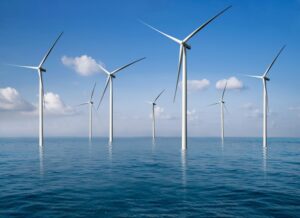
- Wind Energy: Harnesses the kinetic energy of wind using turbines. Wind farms can be located on land or offshore, where winds are typically stronger and more consistent.
- Hydroelectric Energy: Generates power by directing water flow through turbines in dams. It provides a reliable energy source and can be adjusted to meet demand fluctuations.
- Geothermal Energy: Extracts heat from beneath the Earth’s surface to produce electricity or provide direct heating. It offers a constant energy supply, unlike solar and wind, which depend on weather conditions.
Transitioning to clean energy comes with several benefits. It significantly reduces greenhouse gas emissions, thereby mitigating climate change consequences. Economically, investing in clean energy technologies can create jobs, reduce energy costs in the long run, and enhance energy independence. As countries shift towards renewable sources, they are not only helping the planet but also stimulating their economies and fostering sustainable development.
“Investing in clean energy is not just an environmental necessity but an economic opportunity for future generations.”
Renewable Energy Sources
Renewable energy sources are critical for transitioning to a sustainable future. They harness natural processes to generate power, which helps mitigate climate change and reduce dependency on fossil fuels. This section dives into various renewable energy sources, detailing their technologies, mechanisms, and global significance.
Solar Power Technologies and Applications
Solar power harnesses sunlight to generate electricity or heat. The primary technologies include photovoltaic (PV) systems, solar thermal systems, and concentrated solar power (CSP).
Photovoltaic (PV) Systems
PV systems convert sunlight directly into electricity using semiconductor materials. These systems can be installed on rooftops, integrated into building designs (BIPV), or deployed in large solar farms. PV technology is versatile, suitable for residential, commercial, and utility-scale applications.
Solar Thermal Systems
These systems capture sunlight to produce heat, which can be used for residential heating or to generate steam for electricity production. Solar water heaters are common applications, particularly in regions with high sunlight exposure.
Concentrated Solar Power (CSP)
CSP systems use mirrors or lenses to concentrate sunlight onto a small area, generating high temperatures to produce steam that drives turbines for electricity generation. CSP is especially effective in large-scale installations in sunny regions.The adoption of solar technologies has been rapidly increasing, with countries like Germany and China leading in installations. The scalability and decreasing costs of solar power make it an attractive option for clean energy.
Wind Energy Production Mechanisms
Wind energy is produced by converting the kinetic energy of wind into mechanical power through turbines. The basic mechanism involves:
1. Wind Turbines
These devices have blades that capture wind energy. As the wind blows, it turns the blades, which are connected to a rotor.
2. Generator Activation
The rotor spins a generator, converting mechanical energy into electrical energy. This electricity is then transmitted through power lines to homes and businesses.Wind energy has a significant global impact. In 2021, it accounted for approximately 16% of the world’s electricity generation, with countries like the United States, China, and Germany leading in capacity. The benefits of wind energy include its low operational costs, minimal emissions during operation, and the ability to install turbines in various locations, including offshore and onshore sites.
Hydropower Role in Clean Energy and Sustainability Factors
Hydropower is one of the oldest and most widely used forms of renewable energy. It generates electricity by harnessing the energy of flowing or falling water. The primary sustainability factors include:
Efficiency
Hydropower plants can convert over 90% of the energy in flowing water into electricity, making them highly efficient.
Storage Capability
Many hydropower systems can store energy in reservoirs, providing a reliable power supply during peak demand times.
Environmental Considerations
While hydropower is a clean energy source, it can impact local ecosystems and communities, necessitating careful planning and management.Countries like Brazil and Canada heavily rely on hydropower for their electricity needs. It is essential to balance hydropower development with ecological preservation to ensure long-term sustainability.
Geothermal Energy and Its Regional Potential
Geothermal energy utilizes heat from beneath the Earth’s surface for power generation and heating. The potential for geothermal energy varies significantly across regions, with specific areas known for their geothermal reservoirs.The main applications include:
Electricity Generation
Geothermal power plants convert steam or hot water from geothermal reservoirs into electricity. Countries like Iceland and the Philippines are at the forefront of geothermal electricity production.
Direct Use Applications
This includes using geothermal heat for district heating, greenhouse heating, and even spa bathing. Regions with accessible geothermal resources can benefit significantly from direct use.Geothermal energy is considered sustainable and environmentally friendly, with a small land footprint and low emissions. Its development is particularly promising in volcanic regions, where heat is readily available for energy extraction.
Clean Energy Technologies
Clean energy technologies are at the forefront of addressing global energy challenges while promoting sustainability. These technologies harness renewable resources to produce energy with minimal environmental impact. As innovation progresses, the efficiency and effectiveness of these technologies continue to evolve, making them more viable for widespread adoption.Understanding the efficiency of various clean energy technologies is crucial for evaluating their performance and potential impact.
Below is a comparison table that highlights the efficiency metrics of several key clean energy technologies, showcasing their capabilities in converting natural resources into usable energy.
| Technology | Efficiency Percentage | Notes |
|---|---|---|
| Solar Photovoltaic (PV) | 15-22% | Converts sunlight directly into electricity, with advancements leading to higher efficiencies. |
| Wind Turbines | 35-45% | Efficiency depends on wind speed and turbine design; modern designs have increased efficiency. |
| Hydropower | 35-45% | Highly efficient, especially in large-scale installations; influenced by water flow and dam structure. |
| Geothermal Energy | 10-20% | Depends on the temperature gradient; can be highly efficient in suitable locations. |
| Biomass Energy | 20-40% | Efficiency varies based on the conversion process and type of biomass used. |
Energy Storage Solutions for Renewable Sources
Energy storage is a critical component of clean energy technologies, allowing for the capture and retention of energy produced by intermittent resources such as solar and wind. Effective energy storage solutions enhance grid stability and ensure a consistent power supply, even when production dips.Several methods and tools are employed in energy storage:
- Battery Storage: Commonly used for residential and commercial applications, with lithium-ion batteries being the most prevalent due to their high energy density and efficiency.
- Pumped Hydro Storage: Utilizes excess energy to pump water to higher elevations, which can then be released to generate electricity during peak demand.
- Compressed Air Energy Storage (CAES): Stores energy in the form of compressed air, which can be expanded to drive turbines when electricity is needed.
- Flywheel Energy Storage: Uses rotating mass to store kinetic energy, providing high power output for short durations.
Advancements in Battery Technology
The evolution of battery technology is pivotal in enhancing the viability of clean energy. Advances in materials and design have led to significant improvements in capacity, charging speed, lifespan, and safety. Various developments include:
- Solid-State Batteries: These batteries replace liquid electrolytes with solid materials, resulting in higher energy density and improved safety.
- Flow Batteries: Use liquid electrolytes for energy storage, offering scalability and longer discharge durations, making them ideal for large-scale applications.
- Graphene Batteries: Incorporate graphene to improve conductivity, leading to faster charging times and increased capacity compared to traditional lithium-ion batteries.
The implications of these advancements are profound. They not only increase the efficiency of energy storage but also reduce costs, making renewable energy sources more competitive with traditional fossil fuels. As battery technology continues to mature, the transition to a clean energy future becomes increasingly attainable.
Government Policies and Clean Energy
Government policies play a pivotal role in shaping the landscape of clean energy adoption. By creating an environment that encourages investment and innovation in renewable technologies, governments can significantly influence the pace and scale at which clean energy is implemented. Incentives such as tax credits, subsidies, and grants can drive both consumer and industry participation in clean energy solutions.Various government incentives have been shown to boost the adoption of clean energy technologies.
Financial incentives reduce the upfront costs of renewable energy installations, making them more accessible to individuals and businesses. This is particularly critical in the early stages of technology deployment when initial costs can be a barrier. For example, the United States offers a federal Investment Tax Credit (ITC) that allows homeowners and businesses to deduct a significant percentage of the cost of installing solar energy systems from their federal taxes.
Such incentives can lead to increased demand, fostering market growth and innovation in clean energy technologies.
Impact of International Agreements on Renewable Energy
International agreements play a crucial role in promoting the use of renewable energy across nations. These agreements set common goals and frameworks that encourage countries to transition away from fossil fuels and toward sustainable energy sources. For instance, the Paris Agreement aims to limit global warming to well below 2 degrees Celsius, prompting countries to adopt cleaner energy technologies.Key international agreements include:
- The Paris Agreement: Signed in 2015, it represents a global commitment to reduce greenhouse gas emissions, with many signatory countries implementing policies to foster renewable energy usage.
- The Kyoto Protocol: This agreement established legally binding obligations for developed countries to reduce greenhouse gas emissions, leading to increased investments in clean energy technologies.
- United Nations Sustainable Development Goals (SDGs): Goal 7 specifically aims to ensure access to affordable, reliable, sustainable, and modern energy for all, promoting the use of renewables.
Successful Clean Energy Policies from Various Countries
Countries around the world showcase varying degrees of success in implementing clean energy policies. These policies not only help combat climate change but also foster economic growth and energy independence. Here are notable examples:
- Germany’s Energiewende: This ambitious policy framework aims to transition the country to a sustainable energy supply, promoting wind and solar power while phasing out nuclear energy. Germany has become a global leader in renewable energy technology.
- China’s Renewable Energy Policy: With aggressive targets for renewable energy installation, China has invested heavily in solar and wind energy, becoming the largest producer of solar panels and wind turbines globally.
- Denmark’s Wind Energy Strategy: Denmark has successfully integrated wind energy into its national grid, financing offshore wind farms and aiming for 50% of its energy consumption to come from wind by 2030.
These examples illustrate how effective government policies can drive the adoption of clean energy technologies, thereby enhancing sustainability and addressing climate change challenges.
Challenges in Clean Energy Adoption
The transition to clean energy is essential for sustainable development, but it faces several significant challenges. These obstacles can hinder the growth and implementation of renewable energy technologies. Understanding these barriers is crucial for a smoother adoption of clean energy solutions.
Barriers to Widespread Adoption of Clean Energy Solutions
Numerous barriers limit the full-scale adoption of clean energy technologies. These include limited infrastructure, high initial investment costs, and a general lack of awareness among consumers.
- Infrastructure Limitations: Many regions lack the necessary infrastructure to support renewable energy sources, such as wind farms or solar panels. This can include inadequate power grids or energy storage solutions, which are essential for reliable energy distribution.
- Initial Investment Costs: While the long-term savings from clean energy sources are significant, the upfront costs can deter individuals and businesses from investing. For instance, installing solar panels can require substantial financial outlays that some may find prohibitive.
- Consumer Awareness: A lack of understanding about the benefits of clean energy can lead to reluctance among consumers. Many people are unaware of available incentives or the long-term cost savings associated with renewable energy.
Economic Factors Affecting the Transition to Renewable Energy Sources
Economic considerations play a pivotal role in determining the pace of the clean energy transition. Fluctuating energy prices, government subsidies, and market competition influence how quickly renewable energy can become a viable alternative.
- Energy Price Volatility: The prices of fossil fuels can impact the competitive edge of renewable energy. When oil and gas prices drop, renewable sources can seem less attractive, slowing their adoption.
- Government Subsidies: Financial incentives can significantly affect the economic landscape for clean energy. Countries that offer substantial subsidies for renewables can accelerate their adoption, while regions without such support may struggle.
- Market Competition: The existing dominance of fossil fuel industries can create a challenging market environment for clean energy providers. This competition can lead to barriers for new entrants in the renewable energy sector.
Social and Political Challenges Faced by Clean Energy Initiatives
The adoption of clean energy is not just a technological or economic issue; it is also deeply intertwined with social and political factors. Public opinion, regulatory frameworks, and political will can all significantly affect the implementation of clean energy solutions.
- Public Acceptance: The success of renewable energy projects often depends on local community support. Resistance can arise from concerns about land use, environmental impacts, or the aesthetic implications of renewable installations.
- Regulatory Frameworks: Inconsistent policies and regulations can create uncertainty for investors and developers. A stable regulatory environment is essential for fostering growth in the clean energy sector.
- Political Will: The commitment of political leaders to prioritize clean energy can greatly influence funding and support for renewable projects. Political shifts can lead to changes in energy policy, affecting long-term planning for clean energy initiatives.
Future of Clean Energy

The future of clean energy is bright and filled with promise as we move towards a more sustainable world. Over the next decade, advancements in technology and a growing commitment from governments and industries will shape a landscape where renewable energy sources dominate. With innovative solutions on the horizon, the clean energy sector is poised for significant growth.As we look ahead, the trends in clean energy development will be driven by technological breakthroughs, policy changes, and market dynamics.
The integration of renewable energy sources into our existing energy systems will not only enhance energy security but also help combat climate change. Achieving net-zero emissions by 2050 will require an acceleration in clean energy adoption, making the next decade crucial for the sector.
Trends in Clean Energy Development
Several key trends are expected to emerge in the clean energy sector over the next decade, transforming how we generate and consume energy:
- Increased Adoption of Solar Energy: Solar energy will continue to expand, with advancements in photovoltaic technology leading to more efficient and cost-effective solar panels. The International Energy Agency (IEA) projects that solar power could become the largest source of electricity by 2025.
- Growth of Energy Storage Solutions: Battery technology will evolve, enabling better storage solutions for renewable energy. Innovations like solid-state batteries and advancements in lithium-ion technology will enhance energy storage capabilities, making it easier to manage supply and demand.
- Expansion of Electric Vehicles (EVs): The adoption of electric vehicles is expected to skyrocket, supported by advancements in charging infrastructure and battery technology. As more consumers opt for EVs, the demand for clean energy to power these vehicles will increase.
- Decentralized Energy Systems: Microgrids and community solar projects will gain popularity as communities seek energy independence and resilience. These systems allow for localized energy production and consumption, reducing reliance on centralized power plants.
Innovative Technologies in Clean Energy
Innovative technologies are set to revolutionize the clean energy landscape, offering new solutions for energy production and efficiency:
- Hydrogen Fuel Cells: Hydrogen is gaining attention as a clean fuel source, particularly for heavy-duty transportation and industrial applications. The development of cost-effective hydrogen production methods, such as electrolysis using renewable energy, will be critical.
- Carbon Capture and Storage (CCS): Technologies that capture carbon emissions from power plants and industrial processes are advancing. By storing or repurposing the captured carbon, these technologies can significantly reduce greenhouse gas emissions.
- Smart Grid Technology: Smart grids enhance the efficiency and reliability of electricity distribution. They utilize advanced communication technologies to optimize energy use, facilitate renewable energy integration, and improve demand response.
- Artificial Intelligence (AI) in Energy Management: AI can optimize energy consumption patterns, predictive maintenance for renewable energy systems, and enhance grid management, leading to better energy efficiency.
Job Opportunities in Clean Energy
The transition to clean energy is expected to create numerous job opportunities across various sectors. Here’s a look at some of the potential roles that will emerge:
- Renewable Energy Engineers: Designing and implementing renewable energy systems, including solar, wind, and geothermal technologies.
- Energy Analysts: Analyzing energy markets, trends, and policies to guide decision-making and strategic planning in companies and government agencies.
- Sustainability Consultants: Advising organizations on how to reduce their environmental impact and transition to sustainable energy practices.
- Electric Vehicle Technicians: Specializing in the maintenance and repair of electric vehicles, as the automotive industry shifts towards cleaner options.
- Energy Storage Specialists: Focusing on the development and implementation of battery systems and other energy storage solutions.
Community Initiatives in Clean Energy
Community-led clean energy initiatives are gaining momentum as more neighborhoods recognize the benefits of adopting renewable energy solutions. These projects not only contribute to reducing carbon footprints but also strengthen community bonds and promote local economies. The collective efforts of residents, local governments, and organizations can lead to innovative solutions that serve as models for others.The importance of public awareness and education cannot be overstated in the promotion of clean energy.
When communities understand the benefits of renewable technologies, they are more likely to engage in initiatives that support energy efficiency and sustainability. Educational programs and outreach campaigns play a crucial role in informing residents about their energy options and how they can contribute to a cleaner future.
Successful Case Studies of Community-Led Clean Energy Projects
There are numerous examples of communities thriving through their commitment to clean energy projects. Here are some notable case studies that highlight the impact of community-led initiatives:
- Solarize Programs: Various communities, such as those in Massachusetts, have implemented Solarize programs that encourage group purchasing of solar panels. By bundling orders, residents benefit from reduced costs and simplified installation processes, resulting in increased solar adoption.
- Community Wind Projects: The Finger Lakes region in New York showcases successful community wind projects where local residents collectively invest in wind turbines. This model not only generates renewable energy but also provides financial returns to the community.
- Community Solar Gardens: In Colorado, community solar gardens allow residents who cannot install solar panels on their rooftops to invest in shared solar installations. This approach democratizes access to solar energy and fosters local engagement.
Importance of Public Awareness and Education
To foster a culture of clean energy, it is essential to educate the public about its benefits and opportunities. Public awareness campaigns can significantly influence community engagement and participation in clean energy initiatives. By disseminating information through workshops, seminars, and social media, communities can highlight:
- Cost savings from renewable energy usage
- Environmental impacts and climate change mitigation
- Local job creation and economic benefits associated with clean technologies
Methods for Implementing Local Clean Energy Solutions
Communities can adopt various strategies to implement local clean energy solutions effectively. Here are some methods that facilitate the transition to renewable energy:
- Community Energy Audits: Conduct audits to assess local energy consumption patterns and identify areas for improvement. These audits can inform targeted initiatives for energy efficiency and conservation.
- Partnerships with Local Governments: Collaborating with local authorities can provide access to resources and support for clean energy projects, including grants and incentives.
- Community-Based Renewable Energy Programs: Establish programs that allow residents to invest collectively in renewable energy sources, such as wind, solar, or biogas systems.
- Educational Workshops: Organize workshops to teach residents about renewable energy technologies, installation processes, and the benefits of energy efficiency.
“Community initiatives in clean energy empower residents to take charge of their energy future and shape sustainable environments.”
Clean Energy and Climate Change
The relationship between clean energy adoption and climate change mitigation is undeniable. As the world grapples with the consequences of climate change, adopting clean energy technologies becomes a vital strategy in reducing emissions and fostering a sustainable future. Clean energy, which includes renewable sources such as solar, wind, and hydropower, can significantly lower greenhouse gas emissions that result from traditional fossil fuels, playing a crucial role in combating global warming.Clean energy serves as a cornerstone in the effort to mitigate climate change by displacing carbon-intensive energy sources.
The transition to renewable energy can substantially reduce greenhouse gas emissions, which are responsible for the rise in global temperatures. According to the International Renewable Energy Agency (IRENA), doubling the share of renewable energy in the global energy mix could lead to a reduction of up to 70% in greenhouse gas emissions by 2050. By harnessing clean energy, we can not only create a healthier environment but also promote economic resilience through sustainable job creation.
Impact on Greenhouse Gas Emissions
The shift towards clean energy is intrinsically linked to the reduction of greenhouse gas emissions. Traditional energy sources such as coal, oil, and natural gas release significant amounts of carbon dioxide (CO2) and other harmful pollutants into the atmosphere. Clean energy sources, on the other hand, produce little to no emissions during operation. The following points illustrate the impact of clean energy on greenhouse gas emissions:
- Solar Power: Solar photovoltaic systems utilize sunlight to generate electricity without emissions. A study from the National Renewable Energy Laboratory (NREL) estimates that widespread solar adoption could reduce CO2 emissions by 80 billion tons over the next three decades.
- Wind Energy: Wind turbines convert kinetic energy from wind into electricity, which results in zero emissions during operation. Research indicates that expanding wind energy capacity could lead to a reduction of over 1 billion metric tons of CO2 annually in the U.S. alone.
- Hydropower: Hydropower plants harness the energy of flowing water, producing electricity without direct emissions. It is estimated that hydropower can prevent the release of around 1.5 billion tons of CO2 each year globally.
- Energy Efficiency: Clean energy technologies often promote energy efficiency, reducing overall energy consumption and further decreasing emissions. Implementing energy-efficient practices can cut energy-related emissions by up to 30%.
“The adoption of renewable energy sources is one of the most effective strategies for controlling greenhouse gas emissions and curbing climate change.” – IRENA
Clean energy adoption is essential for future sustainability efforts, as it not only addresses the immediate need for emission reductions but also lays the groundwork for resilient energy systems. The ongoing climate crisis necessitates a rapid transition to clean energy alternatives, integrating them into our infrastructure and daily lives. By doing so, we can create a sustainable energy landscape that not only supports economic growth but also preserves the planet for future generations.
This multifaceted approach is crucial in combating climate change and ensuring the health of the environment moving forward.
Last Word
As we conclude our exploration of Clean Energy, it’s clear that its impact extends beyond just environmental benefits. The transition to renewable energy sources shapes economic landscapes, creates job opportunities, and fosters community collaboration. By embracing clean energy solutions, we not only invest in a healthier planet but also inspire innovative practices for generations to come. The future of clean energy is bright, and it’s up to us to seize the opportunities that lie ahead.
FAQ Resource
What is clean energy?
Clean energy refers to energy sources that produce little to no pollution and have minimal environmental impact, including solar, wind, hydro, and geothermal energy.
How does clean energy benefit the economy?
Transitioning to clean energy creates jobs, stimulates investment in new technologies, and reduces dependence on fossil fuels, leading to more stable energy prices.
What are the key barriers to adopting clean energy?
Barriers include high initial costs, lack of infrastructure, regulatory challenges, and resistance from traditional energy sectors.
How can communities implement clean energy solutions?
Communities can adopt clean energy by investing in local renewable projects, promoting public awareness, and supporting policies that encourage sustainable practices.
What role does government play in promoting clean energy?
Governments can provide incentives for renewable energy adoption, create supportive policies, and engage in international agreements to foster clean energy initiatives.