Renewable Energy is rapidly transforming the way we think about power generation, offering fresh avenues for harnessing nature’s energy while protecting our planet. As we face climate change and the depletion of finite resources, understanding renewable energy sources becomes not just interesting but essential.
This overview dives into the various types of renewable energy—like solar, wind, and hydroelectric—and highlights their significance in reducing carbon footprints and promoting a sustainable future. From their environmental benefits to economic advantages, renewable energy sources are paving the way for a cleaner, greener world.
Introduction to Renewable Energy
Renewable energy refers to energy that is generated from natural processes that are continuously replenished. This type of energy plays a crucial role in addressing climate change, reducing greenhouse gas emissions, and ensuring sustainable energy supplies for the future. By utilizing renewable energy sources, we can significantly decrease our dependence on fossil fuels, which are finite and contribute to environmental degradation.Various types of renewable energy sources are harnessed to meet the growing demand for clean energy.
These include solar energy, wind energy, hydropower, biomass, and geothermal energy. Each of these sources has unique characteristics and applications, making them suitable for different environments and communities. Understanding the difference between renewable and non-renewable energy is essential. Renewable energy is sustainable and has a minimal environmental impact, while non-renewable energy, such as coal, oil, and natural gas, is limited, can lead to pollution, and contributes to climate change.
Types of Renewable Energy Sources
There are several primary types of renewable energy sources, each with its own benefits and methods of harnessing energy. Below is a brief overview of these sources:
- Solar Energy: Derived from the sun’s rays, solar energy can be converted into electricity using photovoltaic cells or concentrated solar power systems. It is a versatile energy source applicable for residential, commercial, and industrial use.
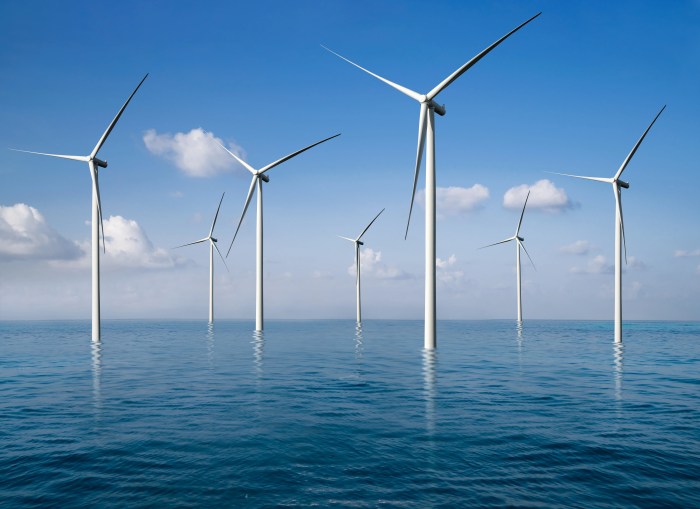
- Wind Energy: Generated by wind turbines that capture kinetic energy from moving air, wind energy is one of the fastest-growing energy sources worldwide. Wind farms can be located onshore or offshore, depending on geographical conditions.
- Hydropower: This energy source involves harnessing the power of flowing water, typically through dams on rivers. Hydropower is a reliable energy source that can provide large amounts of electricity with minimal environmental impact when done sustainably.
- Biomass: Biomass energy is produced from organic materials, such as plant and animal waste. It can be converted into biofuels, heat, or electricity, providing a way to recycle waste materials while reducing greenhouse gas emissions.
- Geothermal Energy: This energy source utilizes heat from the Earth’s core for electricity generation and direct heating applications. It is particularly effective in regions with volcanic activity, where geothermal power plants can be established.
Understanding the diverse types of renewable energy sources allows us to appreciate how each contributes to a more sustainable and environmentally-friendly energy landscape. By leveraging these resources, societies can transition towards a low-carbon future and combat the impacts of climate change effectively.
Types of Renewable Energy
Renewable energy comes in various forms, each with unique characteristics, advantages, and challenges. Understanding these types can help in determining the best solutions for sustainable energy needs. This section delves into five primary sources of renewable energy: solar energy, wind energy, hydroelectric energy, geothermal energy, and biomass energy, highlighting their benefits, drawbacks, and recent technological advancements.
Solar Energy
Solar energy harnesses sunlight through photovoltaic cells or solar thermal systems. As one of the most abundant energy sources, it can be used for electricity generation, heating, and even powering vehicles. Technological improvements have made solar panels more efficient and affordable, allowing for widespread adoption.
Wind Energy
Wind energy is generated by converting kinetic energy from wind into electricity through wind turbines. This clean energy source is abundant in many regions and has seen significant technological advancements, including larger and more efficient turbines that can capture wind energy at lower speeds.
Hydroelectric Energy
Hydroelectric energy generates power by using flowing or falling water to drive turbines. This reliable energy source contributes significantly to global electricity production. Advances in turbine design and dam technology have improved efficiency and reduced environmental impacts associated with traditional hydroelectric plants.
Geothermal Energy
Geothermal energy taps into the Earth’s internal heat to generate electricity and provide direct heating. This energy source is highly sustainable and can offer a continuous power supply. Innovations in enhanced geothermal systems (EGS) have expanded geothermal energy’s reach beyond traditional hotspots, making it a more viable option in various locations.
Biomass Energy
Biomass energy comes from organic materials such as plant and animal waste, which can be converted into biofuels or used directly for energy. This renewable source helps reduce waste while providing a consistent energy supply. Recent advancements in biomass conversion technologies have increased efficiency and reduced emissions.
Comparison of Renewable Energy Sources
The table below provides an overview of the advantages and disadvantages of each renewable energy type, helping to understand their respective strengths and limitations.
| Energy Source | Advantages | Disadvantages |
|---|---|---|
| Solar Energy |
|
|
| Wind Energy |
|
|
| Hydroelectric Energy |
|
|
| Geothermal Energy |
|
|
| Biomass Energy |
|
|
Technological Advancements in Renewable Energy
The field of renewable energy is continuously evolving with technological advancements enhancing efficiency and reducing costs. For solar energy, innovations such as bifacial panels and solar tracking systems have improved energy capture. Wind energy has benefited from larger turbine designs and improved materials that increase durability and performance. In hydroelectric energy, modern fish-friendly turbine designs aim to mitigate ecological impacts.
Geothermal energy advancements include enhanced geothermal systems that unlock energy potential in non-traditional areas. Biomass energy technologies are evolving to convert waste into energy using more efficient processes, reducing emissions while maximizing output.
Benefits of Renewable Energy
Transitioning to renewable energy sources offers a multitude of advantages that impact the environment, economy, and public health. With climate change and pollution becoming pressing global issues, renewable energy presents a sustainable solution that benefits all of us. Here, we’ll delve into how adopting renewable energy can lead to a greener planet, bolster economic growth, and improve health outcomes.
Environmental Benefits of Renewable Energy
The environmental benefits of renewable energy are profound and essential in combating climate change. Renewable energy sources, such as solar, wind, and hydroelectric, produce little to no greenhouse gases during operation. This significantly reduces air and water pollution, helping to maintain ecological balance. Unlike fossil fuels, which emit carbon dioxide and other pollutants, renewables harness natural processes in a clean manner.
Switching to renewable energy can drastically cut global emissions, making it a crucial step towards a healthier planet.
Additionally, renewable energy contributes to the conservation of natural resources. By utilizing resources that are naturally replenished, we reduce the strain on finite fossil fuels, allowing ecosystems to thrive and biodiversity to flourish.
Economic Impacts of Renewable Energy
Shifting towards renewable energy has substantial economic impacts, including job creation and energy independence. The renewable energy sector is one of the fastest-growing industries globally, creating millions of jobs ranging from manufacturing to installation and maintenance. For instance, the solar industry alone employed over 250,000 workers in the U.S. as of 2022, marking a significant increase from previous years.Investing in renewable energy also enhances energy independence, reducing reliance on imported fossil fuels.
Countries can harness their local resources, leading to energy security and stable prices.
Renewable energy not only powers homes and businesses but also powers economies and creates job opportunities.
Health Benefits of Reduced Reliance on Fossil Fuels
The shift from fossil fuels to renewable energy sources also brings numerous health benefits. Reducing air pollution leads to fewer respiratory and cardiovascular diseases, which can lower healthcare costs and improve quality of life. The following is a list of key health benefits associated with reduced fossil fuel reliance:
- Decreased incidence of asthma and other respiratory conditions due to improved air quality.
- Lower rates of heart disease linked to reduced emissions from burning fossil fuels.
- Fewer cases of lung cancer, as air pollution is a known carcinogen.
- Reduced healthcare expenses resulting from cleaner air and healthier populations.
- Minimized risks of premature deaths related to pollution.
Transitioning to renewable energy not only creates a sustainable future but also fosters a healthier society. The cumulative benefits highlight the importance of embracing green technologies for the well-being of our planet and its inhabitants.
Challenges Facing Renewable Energy Adoption
The transition to renewable energy is a critical move to combat climate change and reduce dependence on fossil fuels. However, this shift is not without its challenges. Understanding the barriers to the widespread adoption of renewable energy technologies is essential for overcoming them and maximizing long-term benefits.
Barriers to Widespread Adoption
Several obstacles hinder the full-scale deployment of renewable energy. Key barriers include economic, political, and social factors that can delay or complicate the transition.
- Initial Investment Costs: High upfront costs for technologies like solar panels and wind turbines can deter potential investors. Despite the decreasing costs over time, the initial financial commitment remains a significant barrier.
- Regulatory and Policy Framework: Inconsistent policies and regulations across regions can create uncertainty for investors and developers. A lack of supportive legislation can hinder the growth of renewable energy projects.
- Public Perception and Awareness: Misunderstandings about renewable technologies can lead to skepticism. This can be mitigated through education and outreach efforts to inform the public about the benefits and viability of renewables.
Comparison of Initial Investment Costs and Long-Term Savings
When considering renewable energy, it’s crucial to weigh the initial investment costs against potential long-term savings. While renewable technologies often require a significant upfront investment, they can lead to considerable savings over time.
“Investing in renewable energy not only helps the environment but also leads to substantial long-term financial savings.”
The following points highlight this comparison:
- Energy Bills Reduction: Renewable energy sources, such as solar, can significantly reduce electricity bills for homeowners and businesses once installed. Over time, these savings can exceed initial costs.
- Low Operational Costs: Renewable energy systems typically have lower maintenance costs compared to traditional fossil fuel plants, leading to ongoing savings.
- Incentives and Subsidies: Government incentives can help mitigate initial costs, making renewable energy more accessible. Programs like tax credits and rebates can enhance the financial appeal.
Technological Challenges and Infrastructure Needs
The transition to renewable energy also raises technological challenges and infrastructure demands that must be addressed to facilitate widespread adoption.
- Energy Storage Solutions: One of the primary challenges is developing efficient energy storage systems. Renewable sources like solar and wind are intermittent, necessitating reliable storage to ensure a consistent energy supply.
- Grid Integration: Upgrading existing energy grids to accommodate renewable sources is crucial. This involves modernizing infrastructure to handle the decentralized nature of renewable energy generation.
- Research and Development: Continued investment in R&D is essential for enhancing the efficiency and affordability of renewable technologies. Innovations in materials and engineering can lead to breakthrough solutions.
Global Perspectives on Renewable Energy
As the world strives for sustainable solutions, renewable energy has emerged as a pivotal player in combating climate change and ensuring energy security. Different countries approach renewable energy implementation with varying strategies and levels of success, influenced by their economic capabilities, natural resources, and political frameworks. Exploring these global perspectives unveils insights into effective renewable energy practices and the challenges that nations face in this transition.
Countries Leading in Renewable Energy Implementation
Certain nations have distinguished themselves as leaders in renewable energy, showcasing innovative approaches and robust policies. Key examples include:
Germany
With its Energiewende policy, Germany has made significant investments in solar and wind energy, aiming to transition from fossil fuels to a sustainable energy system. By 2022, renewables accounted for over 40% of the country’s electricity consumption.
China
A global powerhouse in renewable energy production, China leads the world in solar panel manufacturing and wind energy capacity. The nation aims to achieve carbon neutrality by 2060, driving massive investments in renewable technologies.
Denmark
Known for its wind energy prowess, Denmark produces around 47% of its electricity from wind turbines. The country is a model for integrating renewables into the grid and has set ambitious goals for increasing this percentage.
United States
The U.S. has diverse renewable energy resources, with states like California and Texas emerging as leaders in solar and wind energy, respectively. Federal and state policies continue to evolve, aiming to increase the share of renewables in the energy mix.
Regional Effects of Climate Policies on Renewable Energy
Different regions experience varying impacts from climate policies that influence renewable energy adoption. These policies can shape market dynamics, investment flows, and public acceptance of renewable technologies.
European Union
The EU has implemented stringent climate policies, promoting renewable energy through subsidies and regulatory frameworks. This has fostered a competitive market for renewables, particularly in solar and wind.
Sub-Saharan Africa
Here, policies are often aimed at increasing energy access through off-grid renewable solutions. Countries like Kenya and Rwanda are leading initiatives to harness solar power, overcoming infrastructural challenges.
Southeast Asia
Many nations are facing energy security challenges, prompting governments to adopt renewable energy targets. However, the pace of implementation is often hampered by bureaucratic hurdles and limited financing options.
Comparative Analysis of Renewable Energy Strategies
Comparing renewable energy strategies among nations reveals distinct pathways and methodologies in achieving energy transition goals. Key strategies include:
Feed-in Tariffs (FIT)
Countries like Germany and Spain have successfully utilized FIT to incentivize renewable energy production by guaranteeing fixed payments for energy generated from renewables.
Renewable Portfolio Standards (RPS)
The United States employs RPS policies requiring utilities to procure a certain percentage of energy from renewable sources, encouraging investment and development in the sector.
Public-Private Partnerships (PPP)
Nations like India encourage collaboration between the government and private sector to accelerate renewable energy projects, leveraging resources and expertise from both sides.A comparative table illustrating various countries’ strategies and achievements can provide deeper insights into these approaches.| Country | Strategy | Key Achievement ||————–|———————-|————————————————-|| Germany | Feed-in Tariffs | Over 40% of electricity from renewables || China | Government Investment | Largest solar and wind installations globally || Denmark | Wind Energy Focus | 47% of electricity generated from wind || United States | Renewable Portfolio Standards | Significant growth in solar and wind energy |The collective efforts and distinct strategies of these nations contribute to a rich tapestry of global renewable energy adoption, underscoring the importance of tailored approaches to achieve sustainability goals.
Future of Renewable Energy
As we look ahead, the future of renewable energy appears promising and is driven by innovation, research, and supportive policies. The continued evolution of technology and the increasing need for sustainable energy solutions will likely shape how we harness and utilize renewable resources. Addressing climate change, energy security, and economic growth will also be central themes in this ongoing transformation.Innovation and research hold a crucial role in advancing renewable energy technologies.
Historically, breakthroughs in the renewable sector have been tied to research initiatives that enhance efficiency, reduce costs, and improve accessibility. As we move forward, investment in R&D will be vital for producing next-generation technologies that can meet the growing global energy demand sustainably.
Emerging Technologies Revolutionizing Renewable Energy
With the rapid pace of technological advancement, several emerging technologies are poised to revolutionize renewable energy. These innovations are not only enhancing existing systems but also creating new pathways for generating and storing energy. The following technologies are among those expected to make a significant impact:
- Energy Storage Systems: Advances in battery technology, such as lithium-sulfur and solid-state batteries, are crucial for addressing the intermittency of renewable energy sources like solar and wind. Improved storage solutions allow for better energy management and increased utilization of renewable resources.
- Floating Solar Farms: Utilizing bodies of water, floating solar panels not only generate energy but also reduce evaporation and help maintain water quality. This innovative approach can maximize energy production in areas with limited land availability.
- Advanced Wind Turbines: Innovations in turbine design, including larger rotor diameters and enhanced materials, are increasing efficiency and energy output. Offshore wind farms, powered by these advanced turbines, are becoming critical in meeting renewable energy targets.
- Green Hydrogen Production: Electrolysis powered by renewable electricity can produce hydrogen, which is a clean fuel alternative for various applications. This technology is gaining traction as a way to decarbonize industries that are hard to electrify.
- Smart Grid Technology: Digital technologies that enhance grid management enable better integration of renewable energy sources. Smart grids facilitate energy distribution and consumption efficiency, allowing for real-time monitoring and demand-response capabilities.
Role of Policy and Legislation in Renewable Energy Growth
The expansion of renewable energy is heavily influenced by policy and legislative measures. Governments worldwide are recognizing the importance of formal support systems to foster the growth of this sector. Key policy measures include:
- Subsidies and Incentives: Financial incentives such as tax credits, rebates, and grants can significantly lower the cost barriers to adopting renewable technologies, accelerating the transition to cleaner energy.
- Renewable Portfolio Standards (RPS): These laws require utilities to obtain a certain percentage of their energy from renewable sources, driving market demand and supporting the development of new projects.
- Carbon Pricing: Implementing carbon taxes or cap-and-trade systems can encourage businesses to adopt cleaner technologies, making renewable energy more competitive against fossil fuels.
- Research and Development Funding: Government investments in R&D can stimulate innovation and lead to breakthroughs in renewable energy technologies that might otherwise not receive private funding.
- International Agreements: Participation in global agreements, such as the Paris Agreement, encourages nations to commit to renewable energy targets, fostering collaboration and shared goals in combating climate change.
Case Studies

Exploring real-world examples of renewable energy projects reveals both successes and failures, providing valuable insights into the factors that contribute to their outcomes. By examining these case studies, we can better understand the dynamics of renewable energy adoption and its potential to transform our energy landscape.Successful renewable energy projects demonstrate innovative approaches, local engagement, and scalability, while failures highlight lessons about planning, technology, and integration.
Recognizing these factors can lead to more effective strategies in future initiatives.
Successful Renewable Energy Projects
Several notable projects exemplify the potential of renewable energy, showcasing how diverse approaches can be tailored to different contexts.
- Gemasolar Thermosolar Plant, Spain: This concentrated solar power plant utilizes molten salt technology to store heat, allowing for energy generation even after the sun sets. It showcases innovative energy storage solutions.
- Hornsea One Offshore Wind Farm, UK: As the largest offshore wind farm in the world, it generates enough electricity to power over a million homes. It represents the scaling potential of wind energy in reducing carbon emissions.
- Masdar City, UAE: An eco-city that aims to be a hub for renewable energy technology. It integrates various renewable energy sources and emphasizes sustainable urban planning.
Lessons Learned from Failures in Renewable Energy Initiatives
Not all renewable energy projects achieve their goals. Understanding the pitfalls of failed initiatives provides crucial insights for future endeavors.
- Desertec Project: Initially aimed at generating solar power in North Africa for Europe, it faced challenges related to financing, political instability, and logistical issues. This highlights the importance of regional stability and clear financial frameworks.
- Solyndra, USA: A solar panel manufacturer that declared bankruptcy despite significant government investment. The failure stemmed from high production costs and competition, emphasizing the need for economic viability in renewable technologies.
- Wave Energy Projects in Scotland: Various wave energy projects have faced mechanical failures and high operational costs, underscoring the need for robust engineering and realistic cost assessments.
Key Takeaways from Various Case Studies
The analysis of successful and failed renewable energy projects yields important lessons that can guide future efforts. These takeaways include:
- Innovation is Key: Successful projects often include cutting-edge technology that enhances efficiency and reliability.
- Community Engagement: Involving local communities in the planning and implementation phases fosters support and ensures the project meets local needs.
- Financial Sustainability: Projects must have clear financial models that account for market conditions and potential risks to avoid the pitfalls of bankruptcy or underperformance.
- Regulatory Support: Strong government policies and incentives can significantly boost project viability and attract investment.
- Adaptability: Being flexible in approach allows projects to pivot in response to challenges, ensuring continued progress toward renewable goals.
“Every failure is a step towards success, as long as we learn from it.”
Community Involvement
Communities play a vital role in promoting renewable energy initiatives. By engaging residents and local organizations, communities can foster an environment conducive to sustainable practices. This involvement not only aids in the adoption of clean energy solutions but also strengthens the community’s bond through collective efforts toward a greener future. Community participation can take various forms, from forming energy cooperatives to hosting educational workshops.
Each initiative contributes to a greater understanding of renewable energy while facilitating hands-on experiences.
Participation in Renewable Energy Projects
Communities can engage in renewable energy projects in several impactful ways, including but not limited to:
- Energy Cooperatives: Residents can band together to create energy cooperatives, pooling resources to invest in shared renewable energy systems like solar farms or wind turbines. This collective ownership model can lower costs and increase access to clean energy.
- Community Solar Programs: Individuals or organizations without suitable rooftops for solar panels can participate in community solar projects. These programs allow participants to buy or lease a portion of a larger solar array, receiving credits on their energy bills.
- Local Renewable Energy Funds: Communities can establish local funds to finance renewable energy projects, providing grants or low-interest loans to residents and businesses that wish to invest in renewable technologies.
- Volunteer Initiatives: Residents can volunteer for local non-profits or community groups that promote renewable energy awareness and projects, offering their skills and time for installation, education, and outreach efforts.
Guide for Local Initiatives Promoting Renewable Energy Use
To promote renewable energy use at the local level, communities can follow this structured approach:
- Establish a Local Renewable Energy Committee: This group can coordinate initiatives, connect with stakeholders, and develop a strategic plan to encourage renewable energy adoption within the community.
- Conduct Community Surveys: Gathering data on community interest and existing energy practices will help tailor initiatives to the specific needs and preferences of residents.
- Create Educational Workshops and Events: Organize events where community members can learn about renewable energy technologies, benefits, and ways to implement them in their homes or businesses.
- Develop Partnerships with Local Businesses: Collaborate with local businesses to promote renewable energy products and services, including discounts for community members who choose to adopt clean energy solutions.
- Implement Incentives for Renewable Energy Adoption: Work with local government to develop incentives, such as tax breaks, rebates, or grants for households and businesses that invest in renewable energy systems.
Educational Resources for Communities
Educational resources are essential for communities aiming to understand and adopt renewable energy practices. Access to accurate information can empower residents to make informed decisions. Here are some available resources:
- Webinars and Online Courses: Various organizations offer free or low-cost online courses focused on renewable energy topics. These can cover everything from installation techniques to energy efficiency practices.
- Local Libraries and Community Centers: Libraries often provide access to books and materials on renewable energy. Community centers may host workshops and discussions led by experts in the field.
- Government Resources: Many local and national governments have dedicated websites that offer resources, guides, and incentives for residents interested in renewable energy.
- Non-Profit Organizations: Groups dedicated to sustainability often provide educational materials and programs aimed at increasing awareness and knowledge about renewable energy in communities.
“Communities that engage in renewable energy not only benefit economically but also cultivate a sense of ownership and pride in their energy future.”
Final Summary
In conclusion, the journey toward embracing Renewable Energy is filled with opportunities and challenges, but the rewards are undeniable. By investing in alternative energy sources and encouraging community involvement, we can build a sustainable future that benefits both the environment and society. Let’s keep pushing for innovation and cooperation in this exciting field!
Question & Answer Hub
What are the main types of renewable energy?
The main types of renewable energy include solar, wind, hydroelectric, geothermal, and biomass energy.
Is renewable energy more expensive than fossil fuels?
While the initial investment for renewable energy can be higher, long-term savings and decreasing technology costs often make it more economical over time.
Can renewable energy sources meet all of our energy needs?
Currently, renewable energy sources can meet a significant portion of our energy needs, and advancements continue to improve their efficiency and capacity.
How can individuals contribute to renewable energy initiatives?
Individuals can participate by supporting local renewable projects, utilizing solar panels, and advocating for energy policy changes in their communities.
What are some health benefits of renewable energy?
Transitioning to renewable energy can reduce air pollution, leading to better respiratory health and lower healthcare costs associated with pollution-related illnesses.